

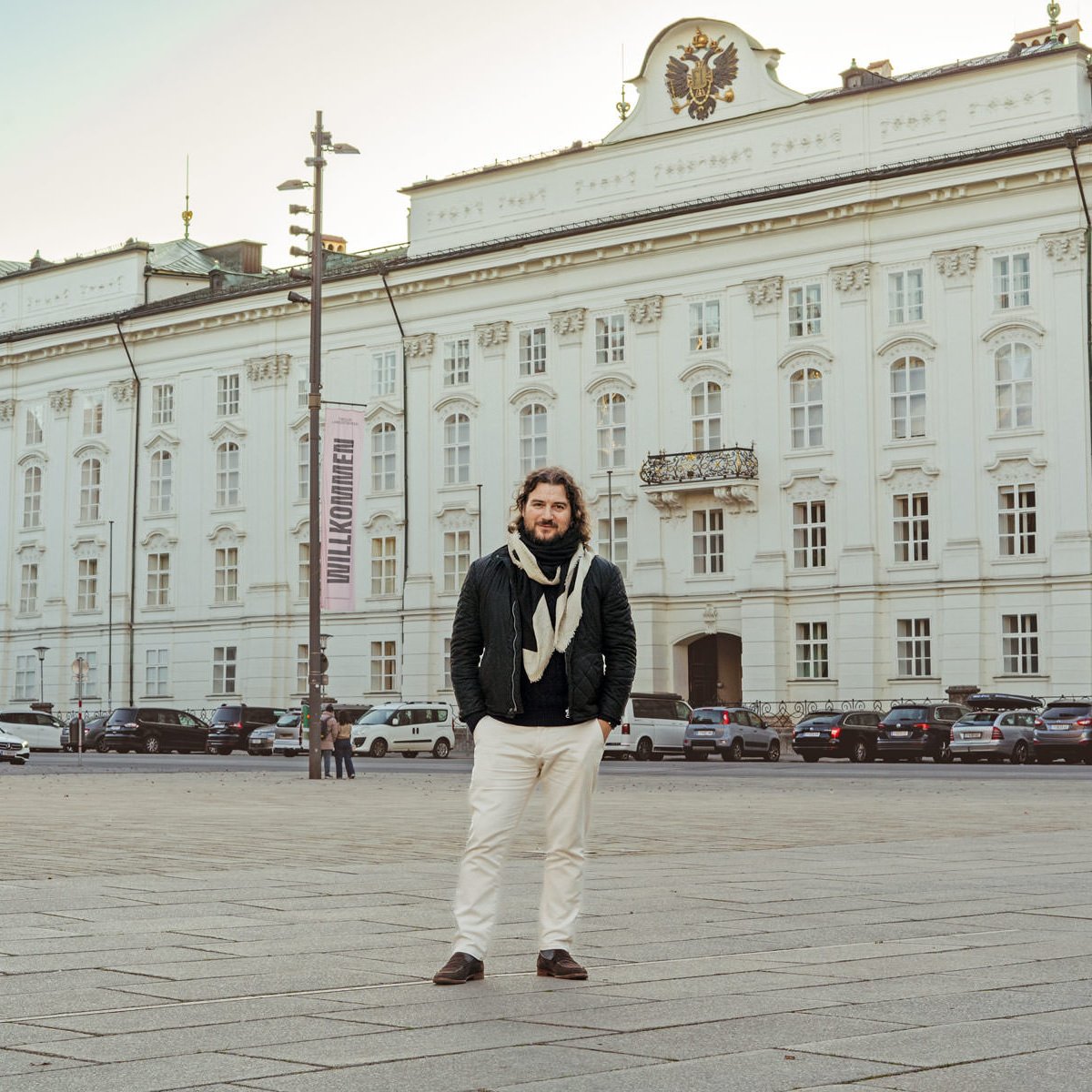

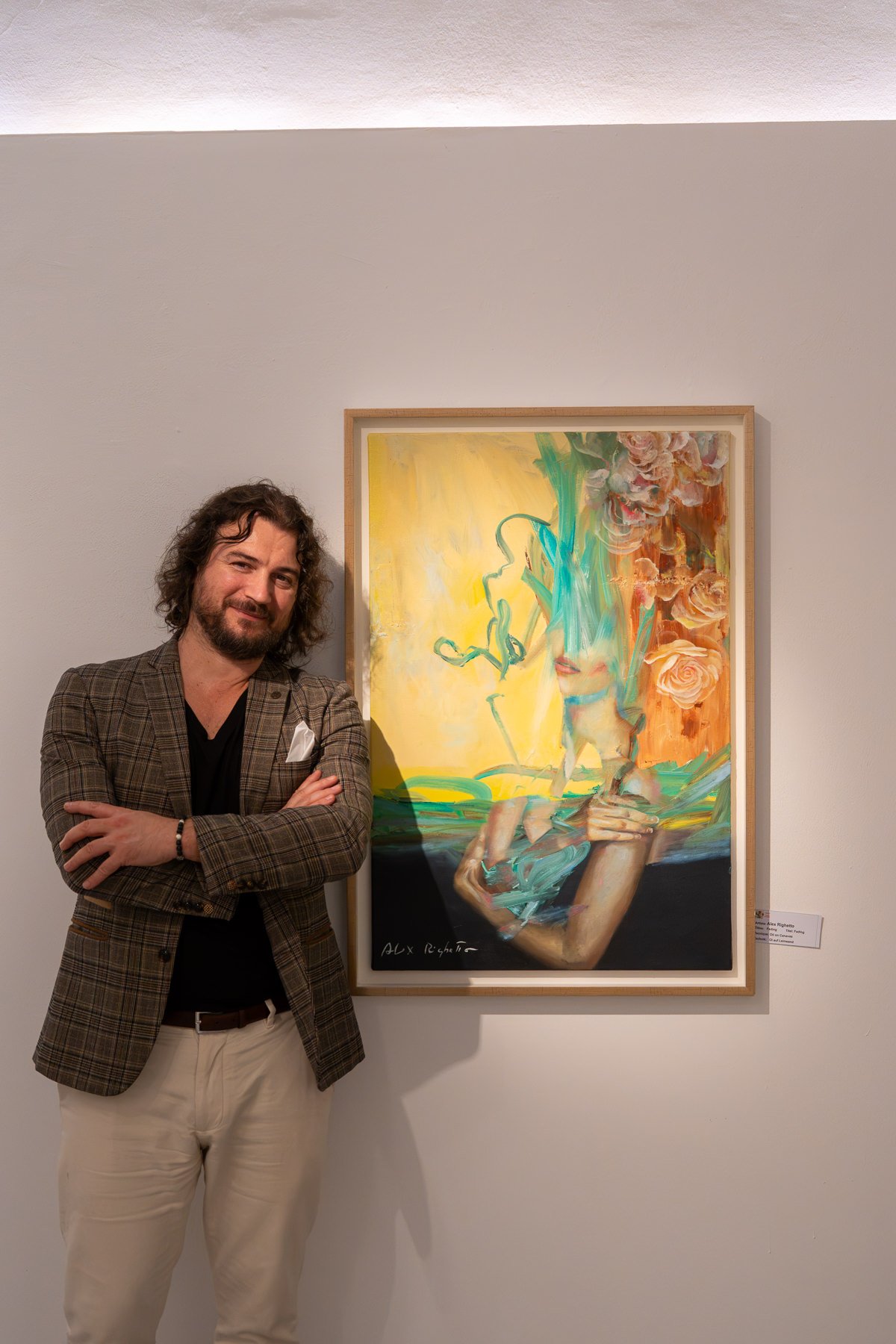
Two works from Alex Righetto’s Perfectly Imperfect collection were exhibited at the Kaiserliche Hofburg in Innsbruck, Austria, one of the country’s most significant historical landmarks and a former residence of the Habsburg imperial family.
Set within the museum spaces of the Imperial Palace, the exhibition brought Righetto’s contemporary artistic research into a setting deeply connected to European history and cultural heritage. The presentation offered visitors the opportunity to discover the artist’s distinctive pictorial language within an architectural environment shaped by centuries of imperial history.
The exhibition opening and vernissage took place in November, welcoming local visitors and international guests who gathered to celebrate the occasion and experience the works on display. Despite the cold weather, the event brought together art enthusiasts and guests in an atmosphere of shared appreciation for art and culture.




Discovering Innsbruck
Nestled among the breathtaking peaks of the Austrian Alps, Innsbruck is a city where history, culture, and natural beauty come together. Its beautifully preserved historic center reflects centuries of European heritage, while its surrounding mountains create a striking backdrop for the city’s architectural elegance.
The Imperial Palace, known as the Hofburg, stands among Austria’s most important cultural landmarks. Once a residence of the Habsburg dynasty, the palace remains a remarkable testament to the country’s imperial past and architectural tradition.


For Alex Righetto, exhibiting in such a setting offered an opportunity to bring contemporary painting into dialogue with a place whose identity has been shaped by history, art, and cultural exchange.
Beyond the exhibition, the city itself left a lasting impression. Innsbruck’s distinctive atmosphere, where imperial architecture meets the dramatic beauty of the Alpine landscape, offered a memorable experience that extended beyond the exhibition walls.
The presentation of Perfectly Imperfect at the Hofburg marked another occasion for Alex Righetto’s work to encounter new audiences in an international cultural setting, creating a connection between contemporary artistic expression and Austria’s rich historical heritage.
This article was last updated on November 1, 2026 by Alex Righetto
This article available in:
