
Meet the artist, a series of Art events at Priano , in Tampa
The location
Priano is the quintessential Design Center, providing a centralized and dynamic experience to members of the trade. Priano curates top-quality interior & exterior finishes including cabinetry, countertops, floor & wall coverings, natural stone, tile, plumbing fixtures, window treatments, and appliances.

The Events
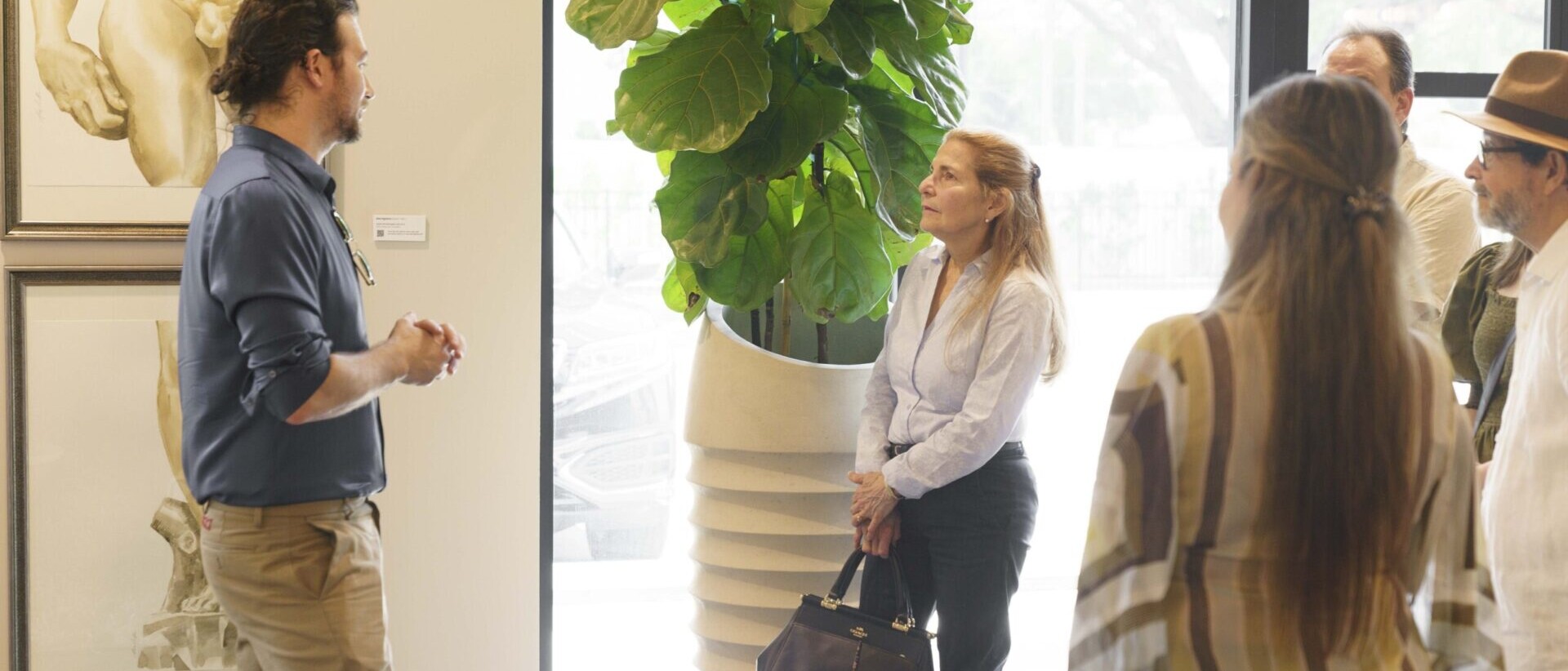
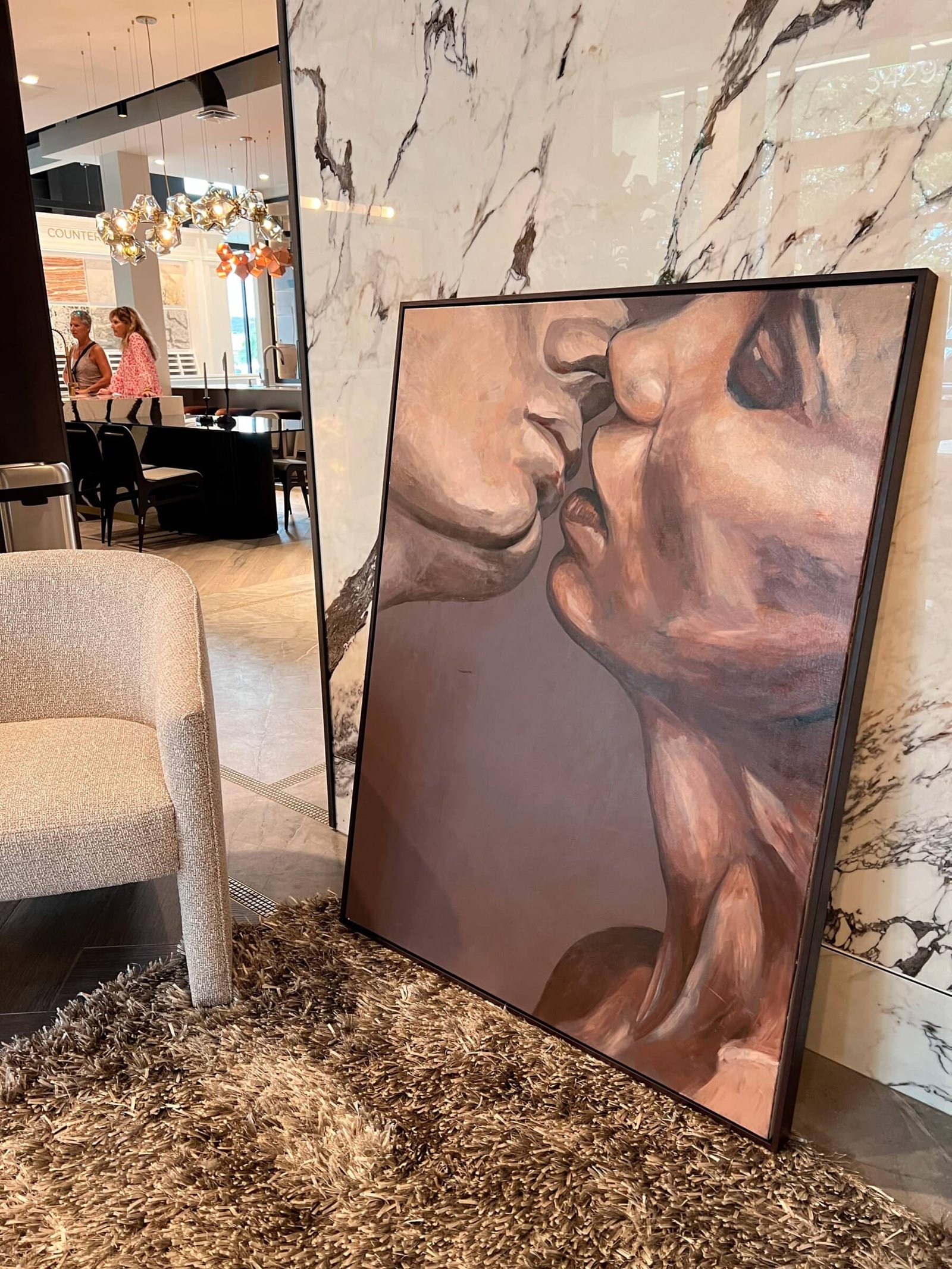
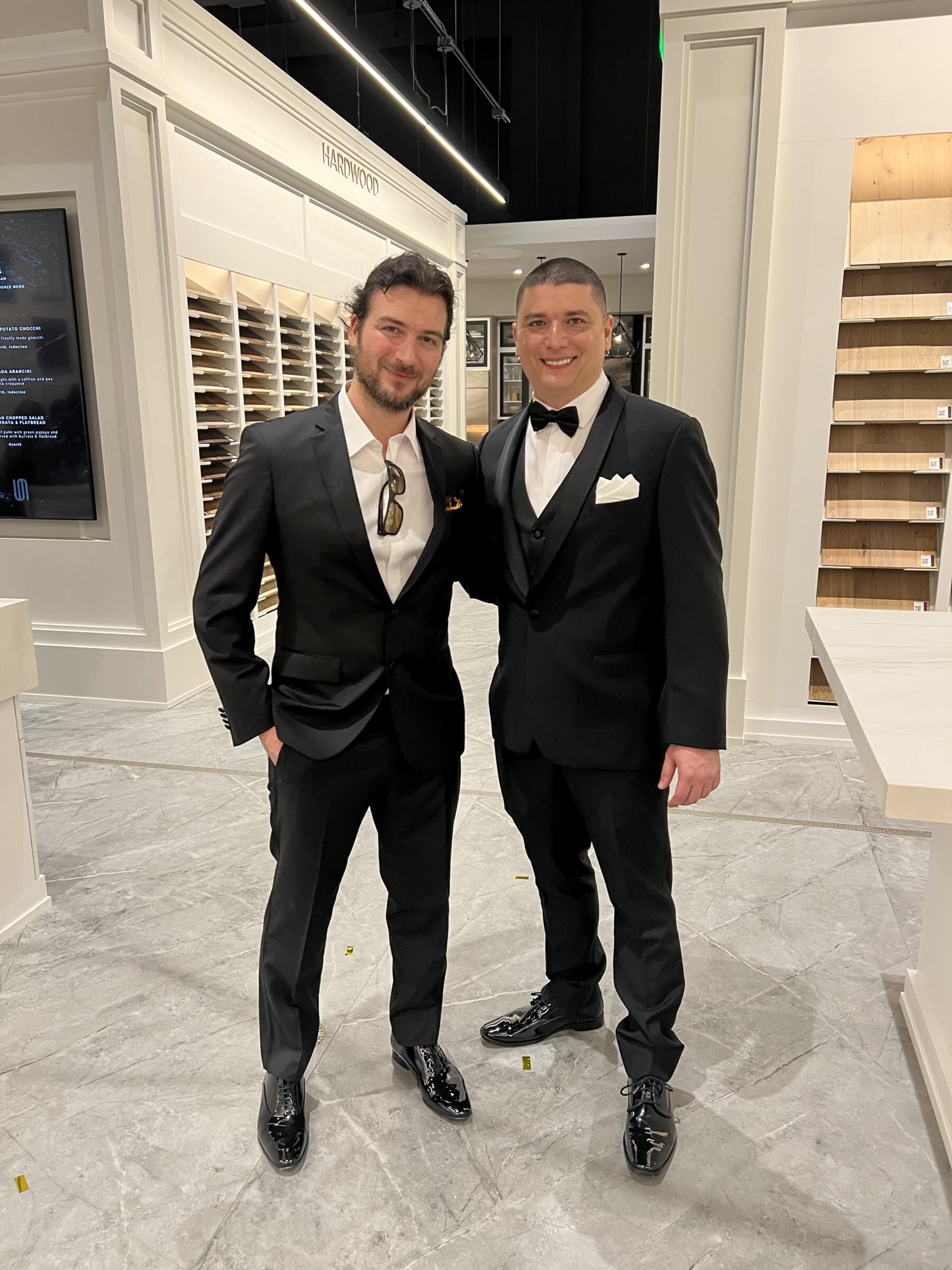
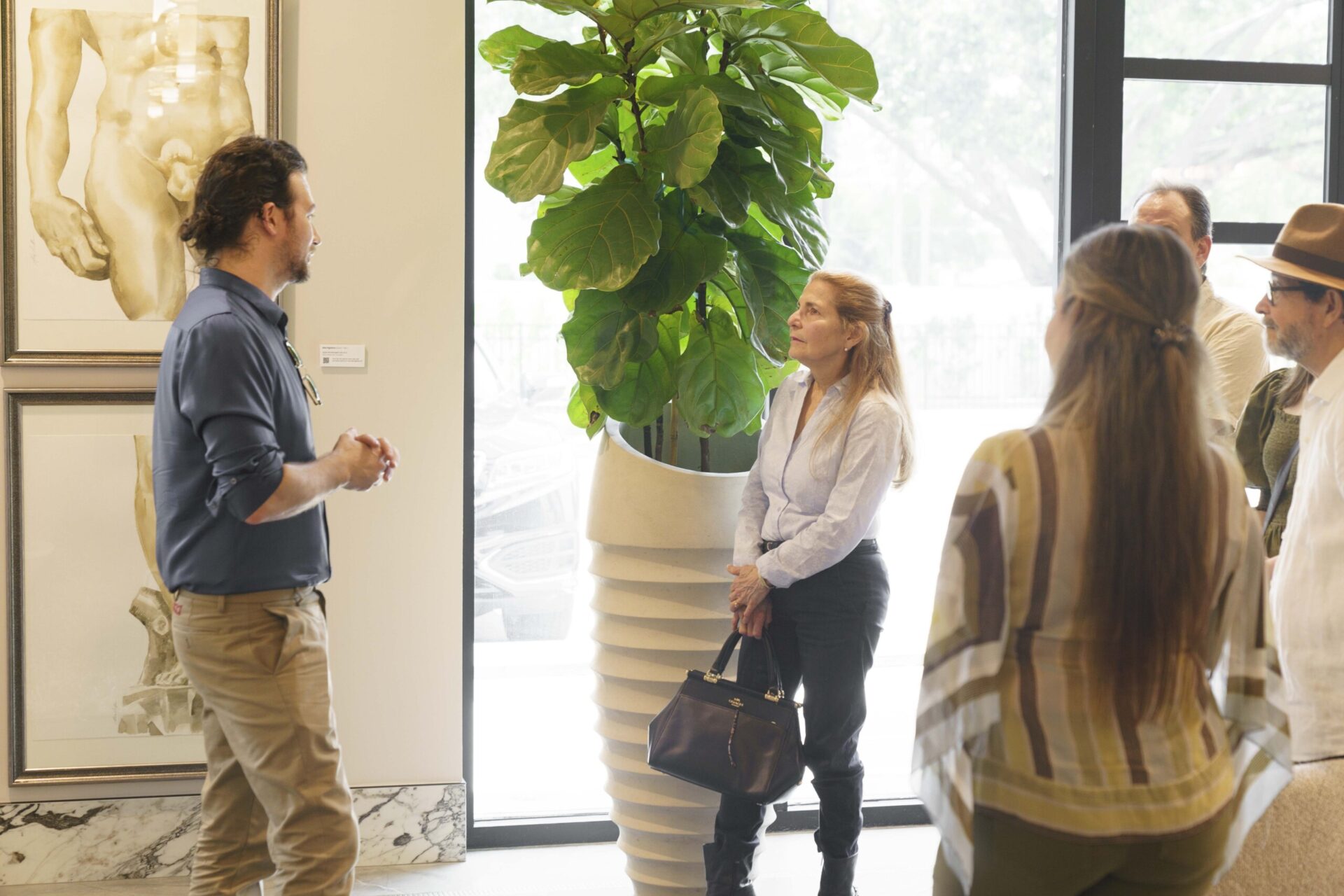
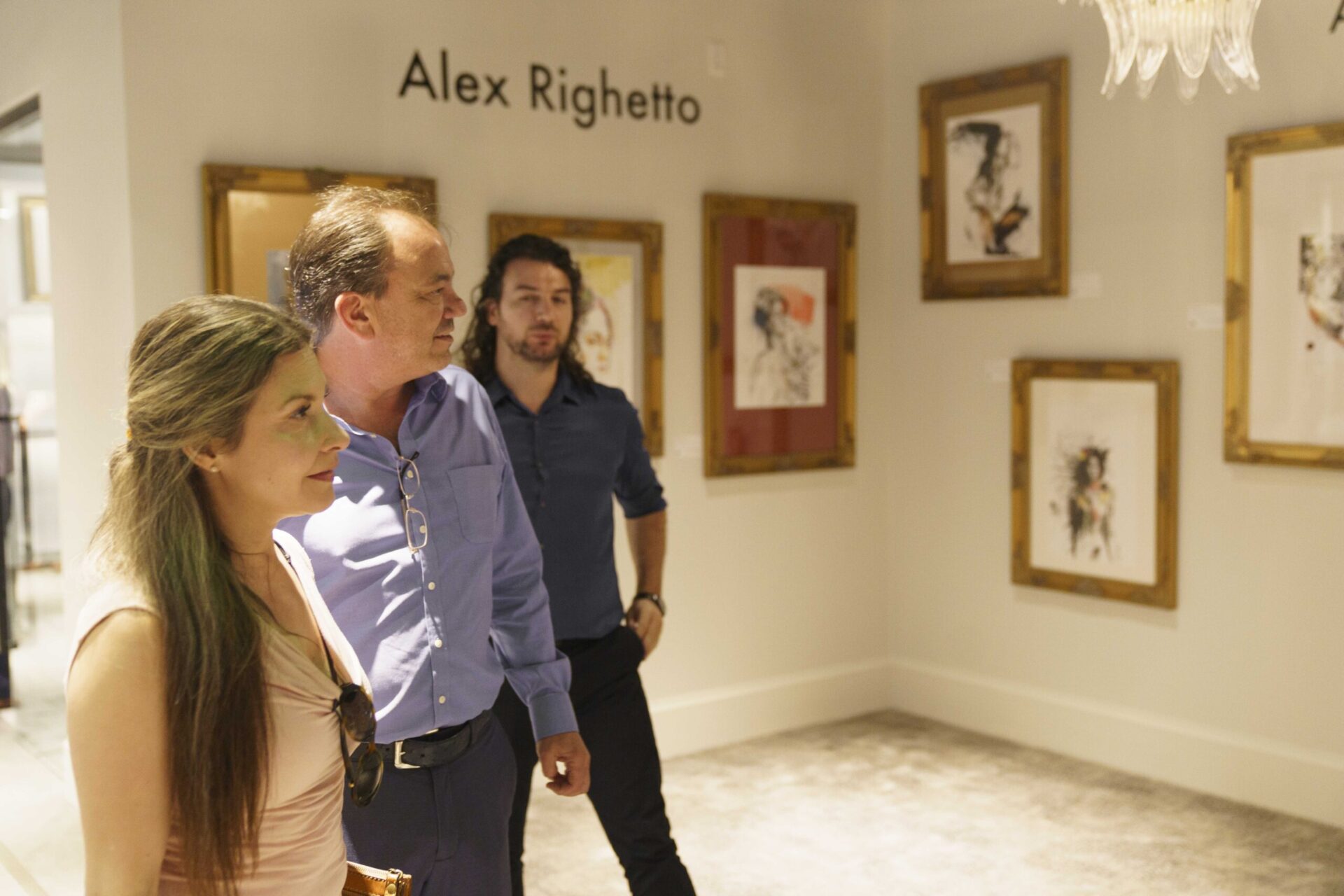
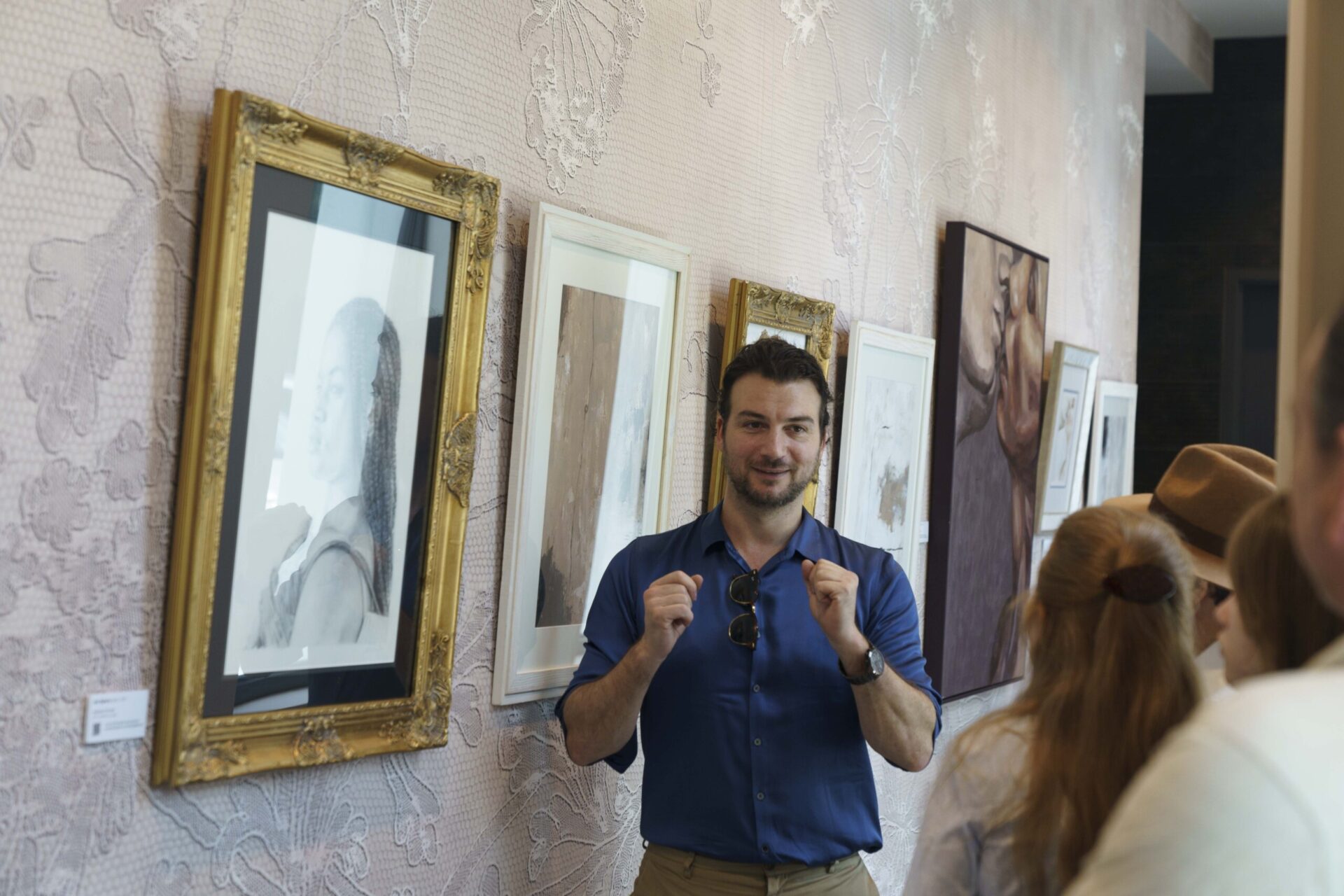
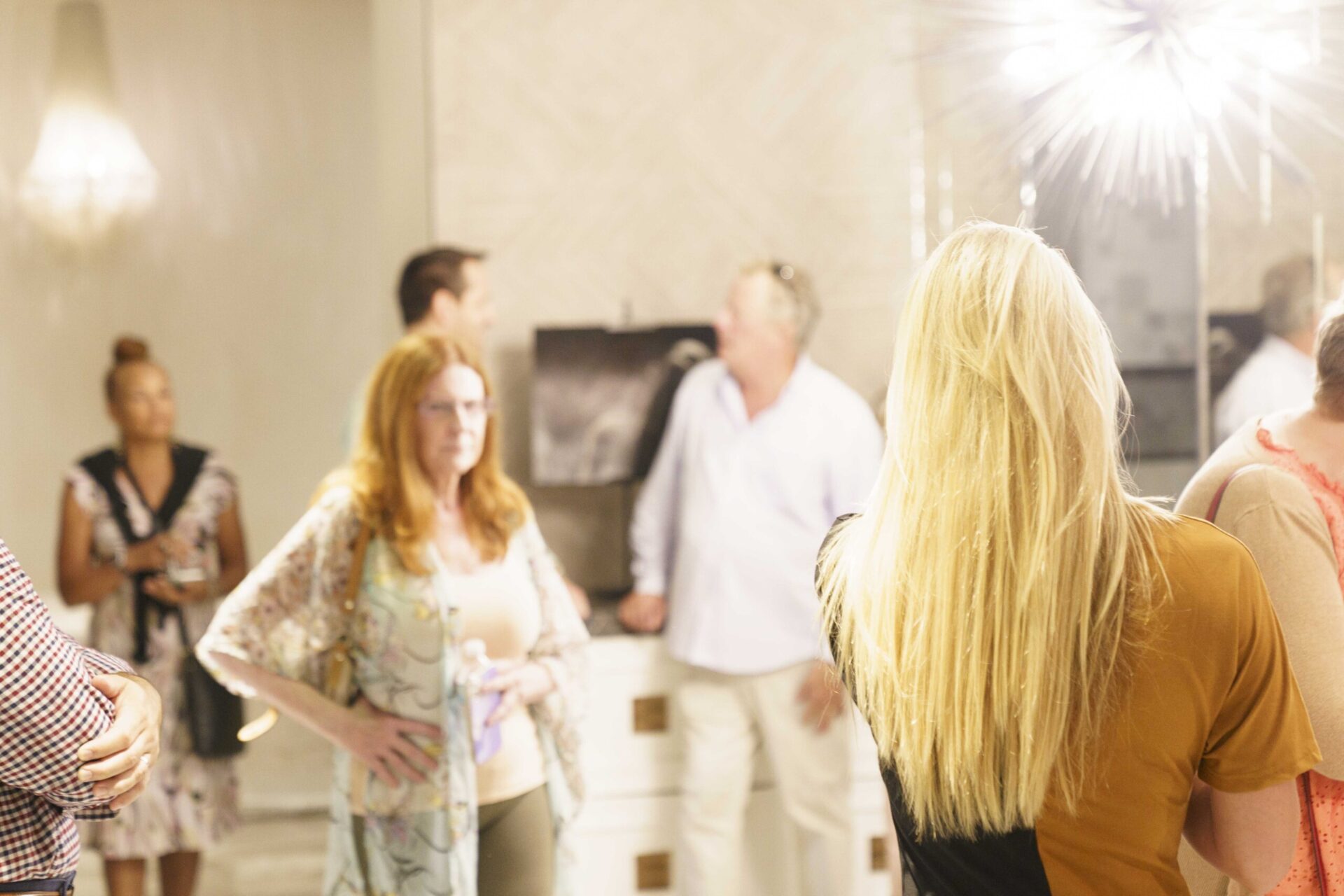
I decided to create a series of events to explain my work and introduce the Romeo and Juliet collection presented for the first time in Miami during Art Basel. It’s a chance to interact with me and ask as many questions as possible.
Generally, the events are on Saturday afternoon.


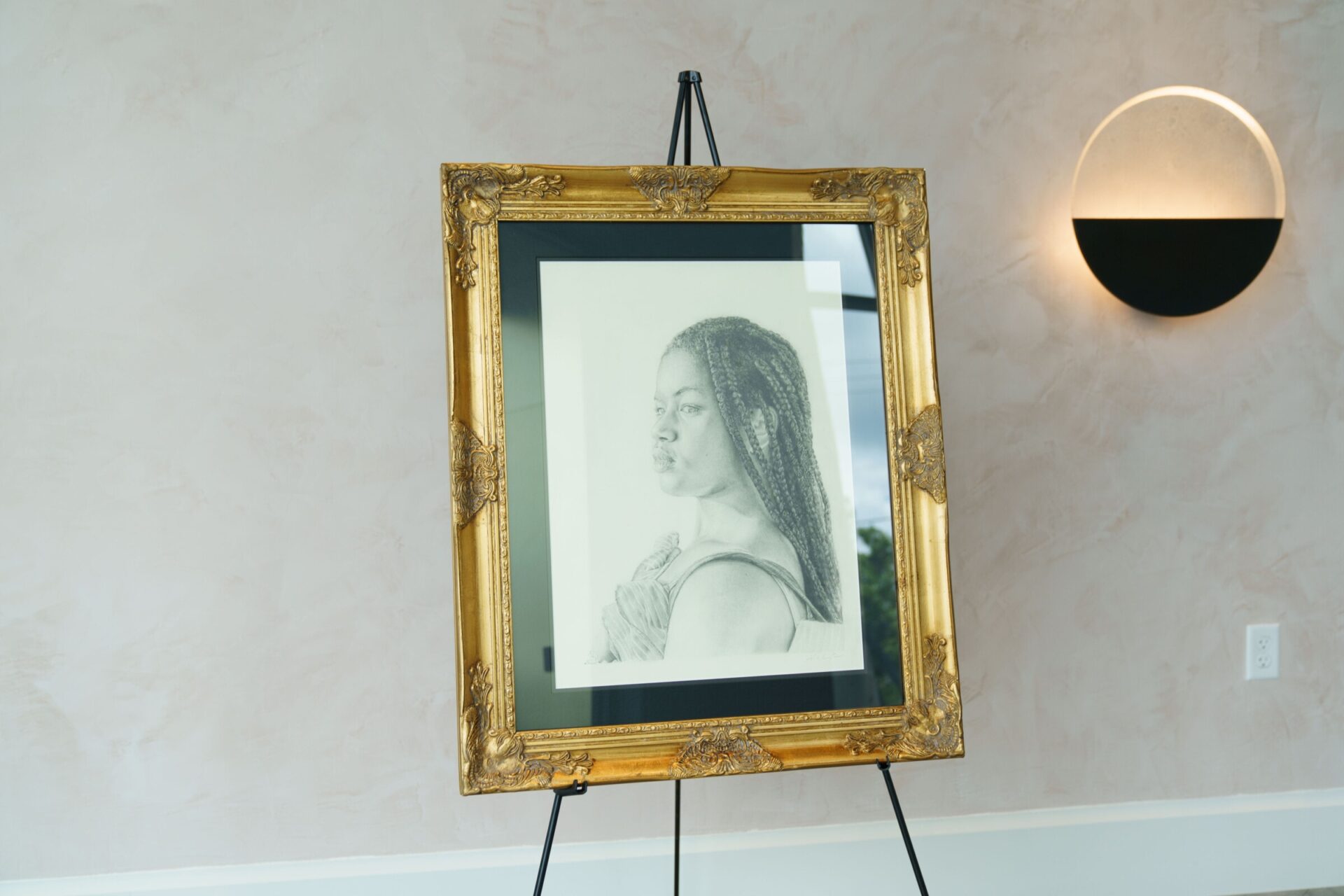
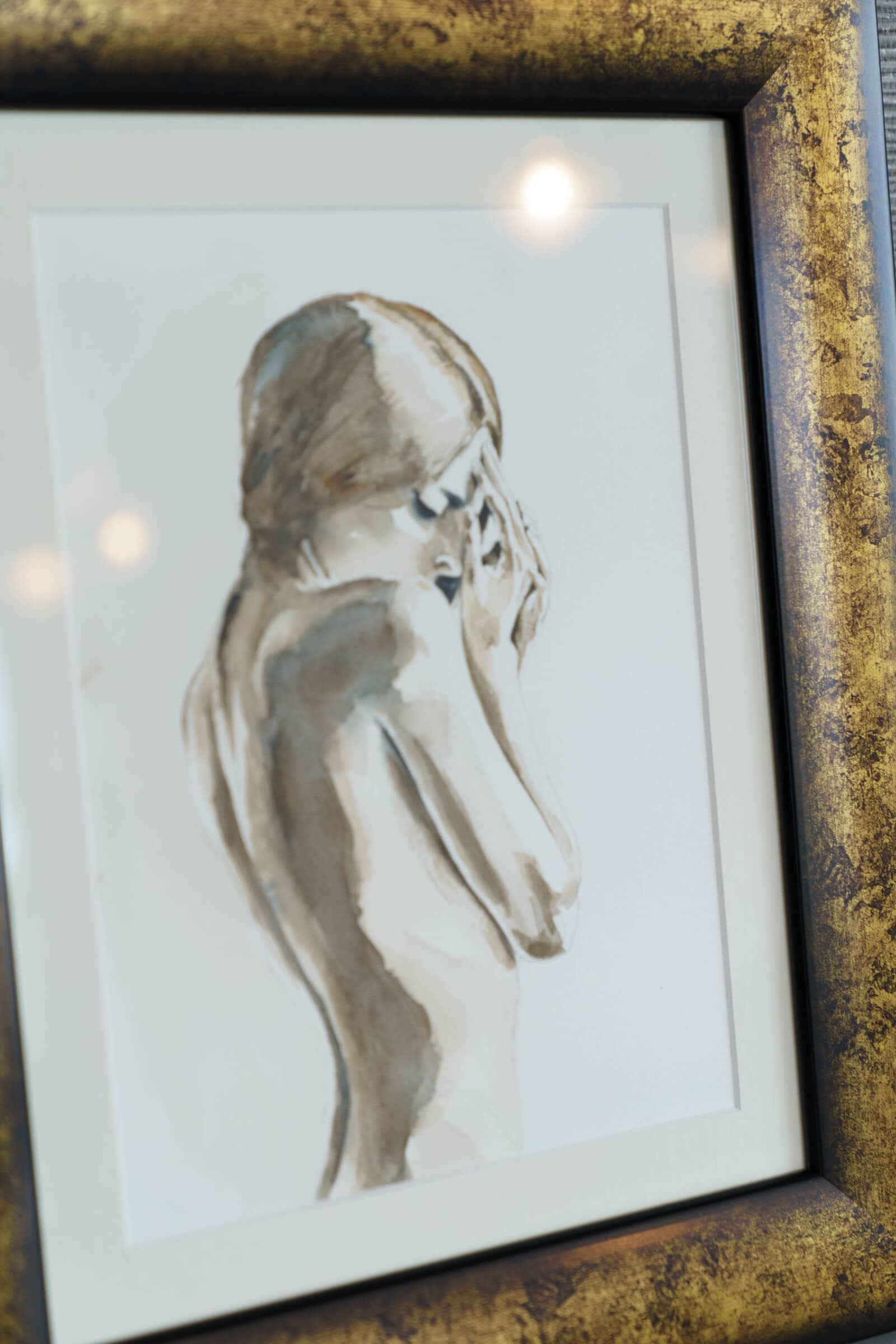


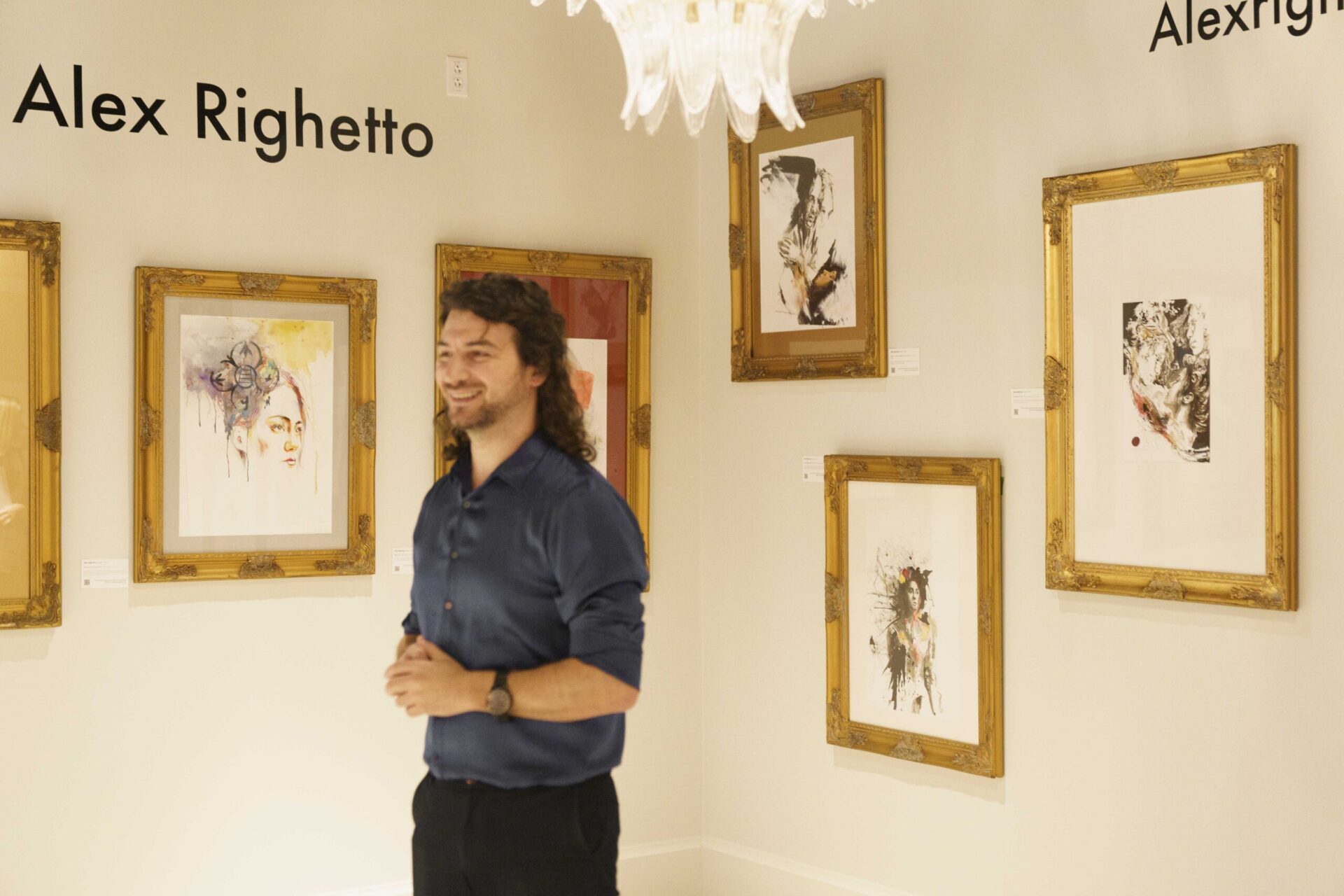
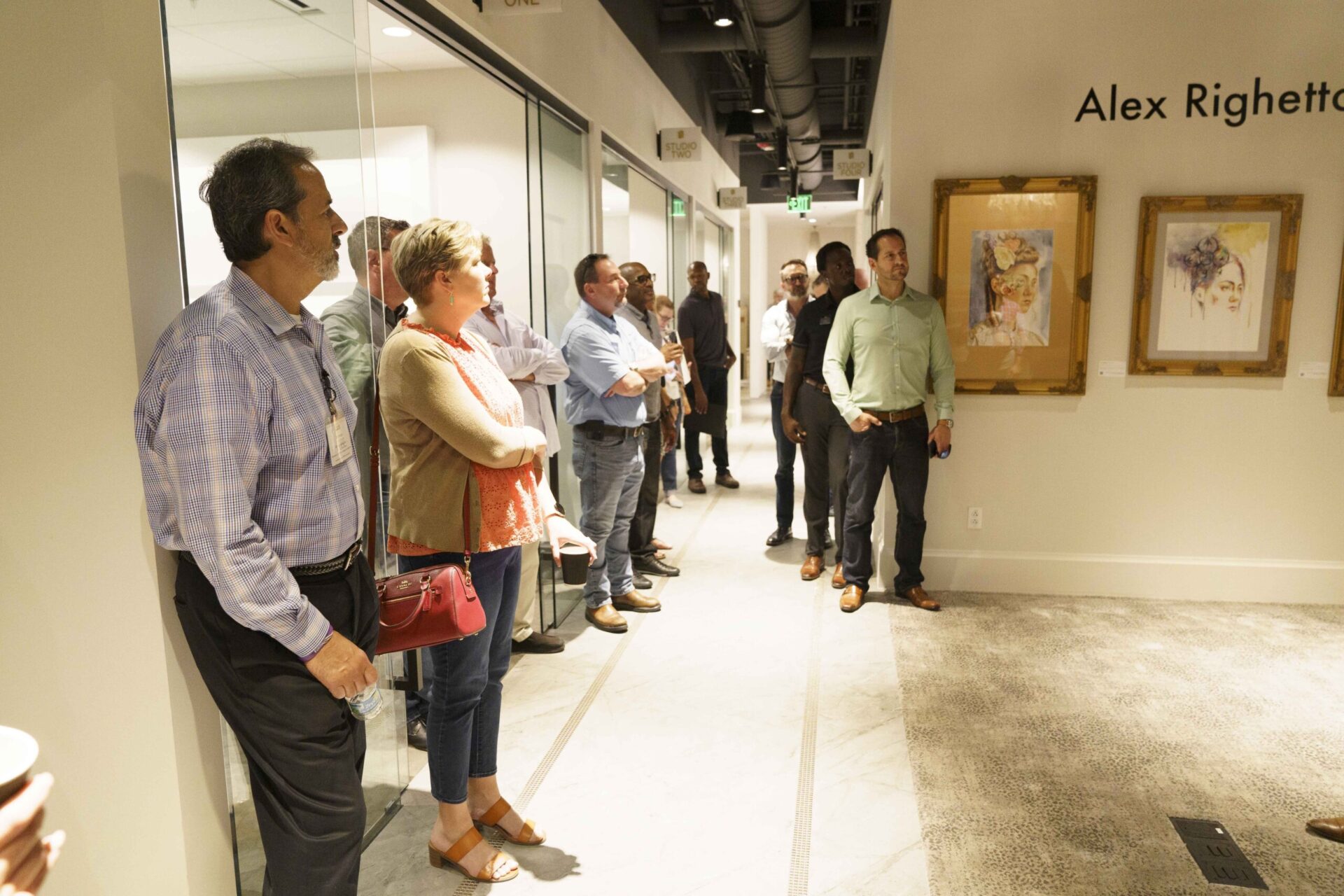




More info
For more info please contact the venue, call the number (813) 964-3882 or write at ciao@priano.com

For the love of Art: The Dorothy and Herbert Vogel Collection
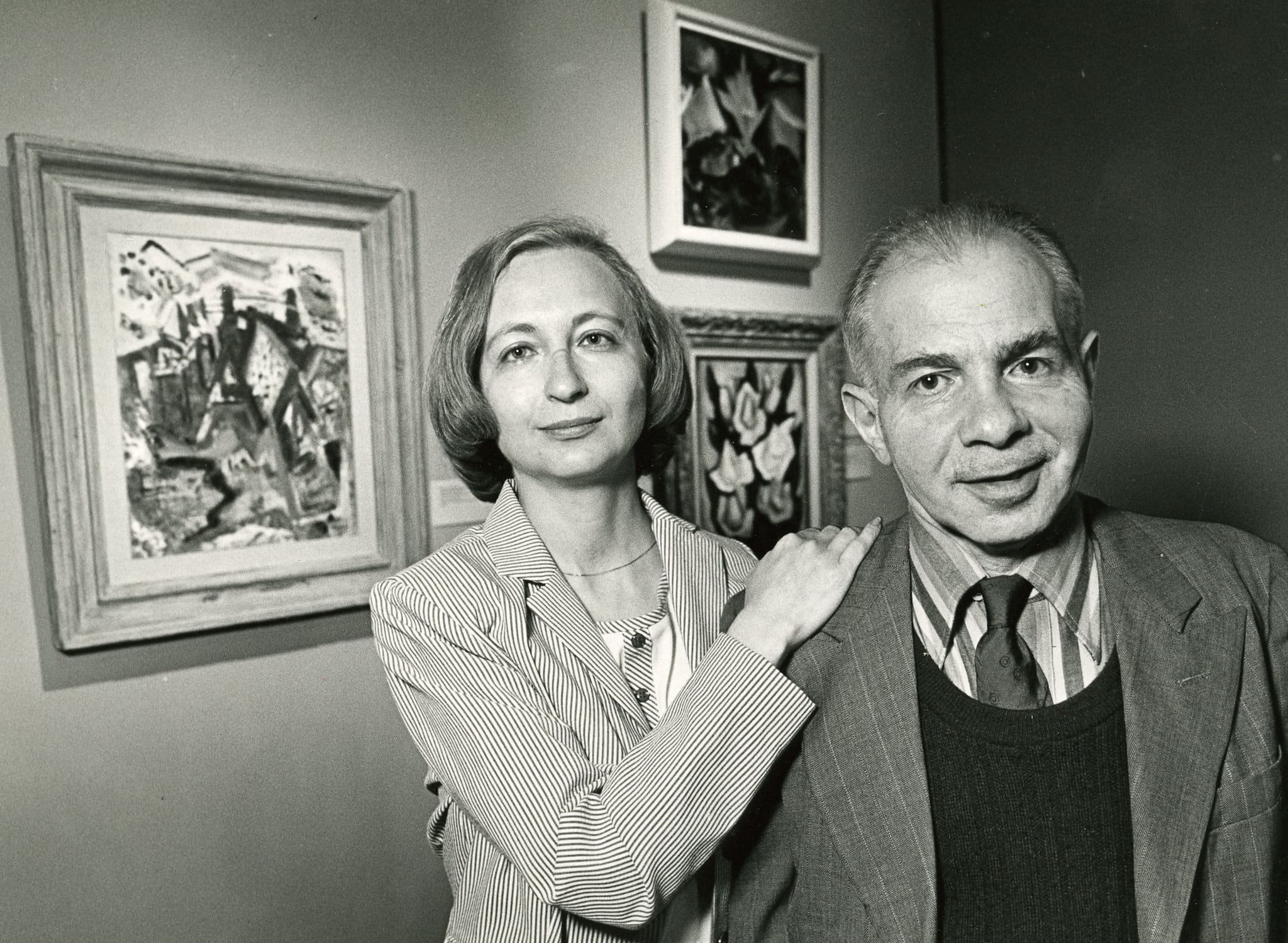
Meet Herbert and Dorothy Vogel, postal clerk and librarian, respectively who became one of the most important modern art collectors in history.
With modest means, this couple managed to build up one of the most important modern art collections in history.
The Dorothy and Herbert Vogel Collection is one of the most impressive art collections in the United States, featuring a wide variety of contemporary art pieces that have captivated audiences for decades. In this article, we will explore the Dorothy and Herbert Vogel Collection in depth, highlighting the unique features of this exceptional art collection.
The History of the Dorothy and Herbert Vogel Collection
Dorothy and Herbert Vogel were two art collectors from New York who started collecting contemporary art in the 1960s. Despite their modest income, the couple managed to amass an impressive collection of over 4,000 works of art over the years. Their collection included works by some of the most prominent artists of the 20th century, such as Roy Lichtenstein, Robert Rauschenberg, and Sol LeWitt.
But rather than cash in, In 1992, the Vogels decided to donate their collection to the National Gallery of Art in Washington D.C. The donation included over 2,500 works of art and was the largest single gift ever received by the National Gallery of Art. The Vogels’ generosity helped to establish the museum’s contemporary art collection and made their impressive collection available to the public for years to come.
The Vogels took pride in never selling anything they bought even though by the 1990s such sales would have made them millionaires.
They lived in a cozy, rent-controlled New York apartment filled with art. The couple purchased art using his salary and strategized by buying directly from artists, preferring trade to installment plans.
The Art in the Collection
The Dorothy and Herbert Vogel Collection is a unique art collection that features a wide variety of contemporary art pieces. The collection includes works in many different mediums, including paintings, sculptures, and photographs. The Vogels were known for their support of emerging artists and often purchased works before the artists gained widespread recognition. As a result, their collection includes many pieces by artists who are now considered some of the most important of their generation.
Some of the most notable pieces in the collection include works by Minimalist artists such as Donald Judd and Dan Flavin. The Vogels were early supporters of the Minimalist movement and their collection includes some of the most significant works of this genre. Other notable artists in the collection include Richard Tuttle, Pat Steir, and Lynda Benglis.
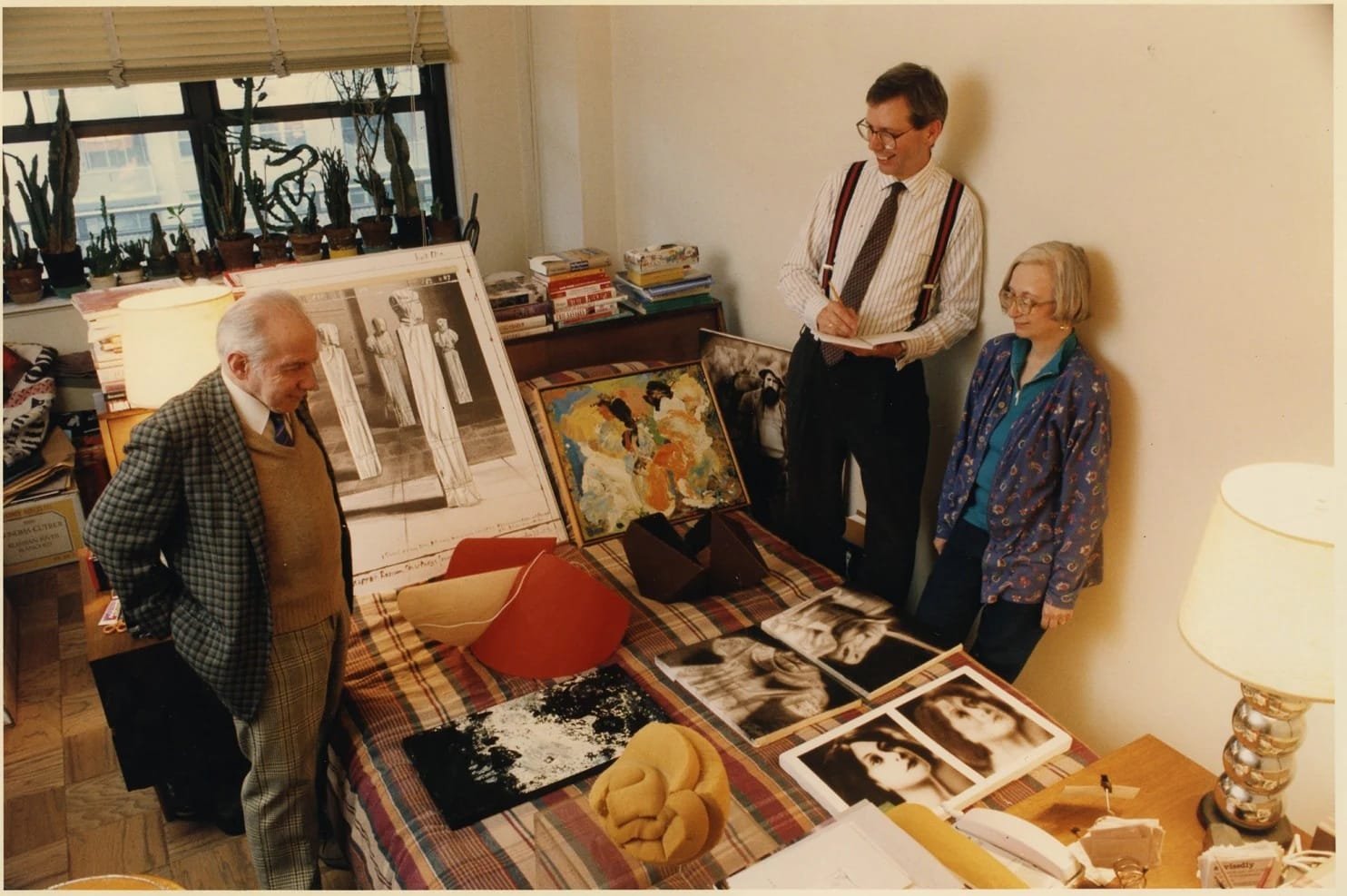
the love story between Herbert and Dorothy Vogel
The couple met in 1961 and get married right after. though their entire life, they built a world-class art collection through modest means.
The two were able to put together more than 4,000 items, over 20 years. In 1992 they gifted part of their collection to the National Gallery of Art in D.C leading to the development of the Fifty Works for Fifty States project.
Fifty Works for Fifty States is a joint initiative of the Trustees of the Dorothy and Herbert Vogel Collection and the National Gallery of Art, with generous support of the National Endowment for the Arts and the Institute of Museum and Library Services, 2009.
The Dorothy and Herbert Vogel Collection at the Albright-Knox includes works by Richard Artschwager, Robert Barry, Lynda Benglis, Charles Clough, Koki Doktori, R. M. Fischer, Richard Francisco, Don Hazlitt, Gene Highstein, Bill Jensen, Tobi Kahn, Steve Keister, Alain Kirlli, Mark Kostabi, Wendy Lehman, Michael Lucero, Joseph Nechvatal, Richard Nonas, Larry Poons, Lucio Pozzi, Edda Renouf, Judy Rifka, Barbara Schwartz, Darryl Trivieri, and Richard Tuttle.
Learn more about the Vogels on their website.
What a great example of living an honest fun life together, with more meaning than the worth of possessions from the material world.
The Importance of the Collection
The Dorothy and Herbert Vogel Collection is important for several reasons. First, it represents the passion and dedication of two individuals who spent their lives collecting art. The Vogels were not wealthy collectors but were passionate about contemporary art and were determined to build a collection that would make a difference in the art world.
Second, the collection is significant because it includes many works by artists who were not well-known at the time of purchase. The Vogels’ support of emerging artists helped to launch the careers of many important contemporary artists and their collection is a testament to the importance of supporting emerging talent.
Finally, the collection is important because it represents a unique moment in the history of contemporary art. The 1960s and 1970s were a time of significant change in the art world, and the Vogels’ collection captures the spirit of this era. Their collection includes works by artists who were pushing the boundaries of art and exploring new ways of thinking about the world.
Nothing found.
Nothing found.
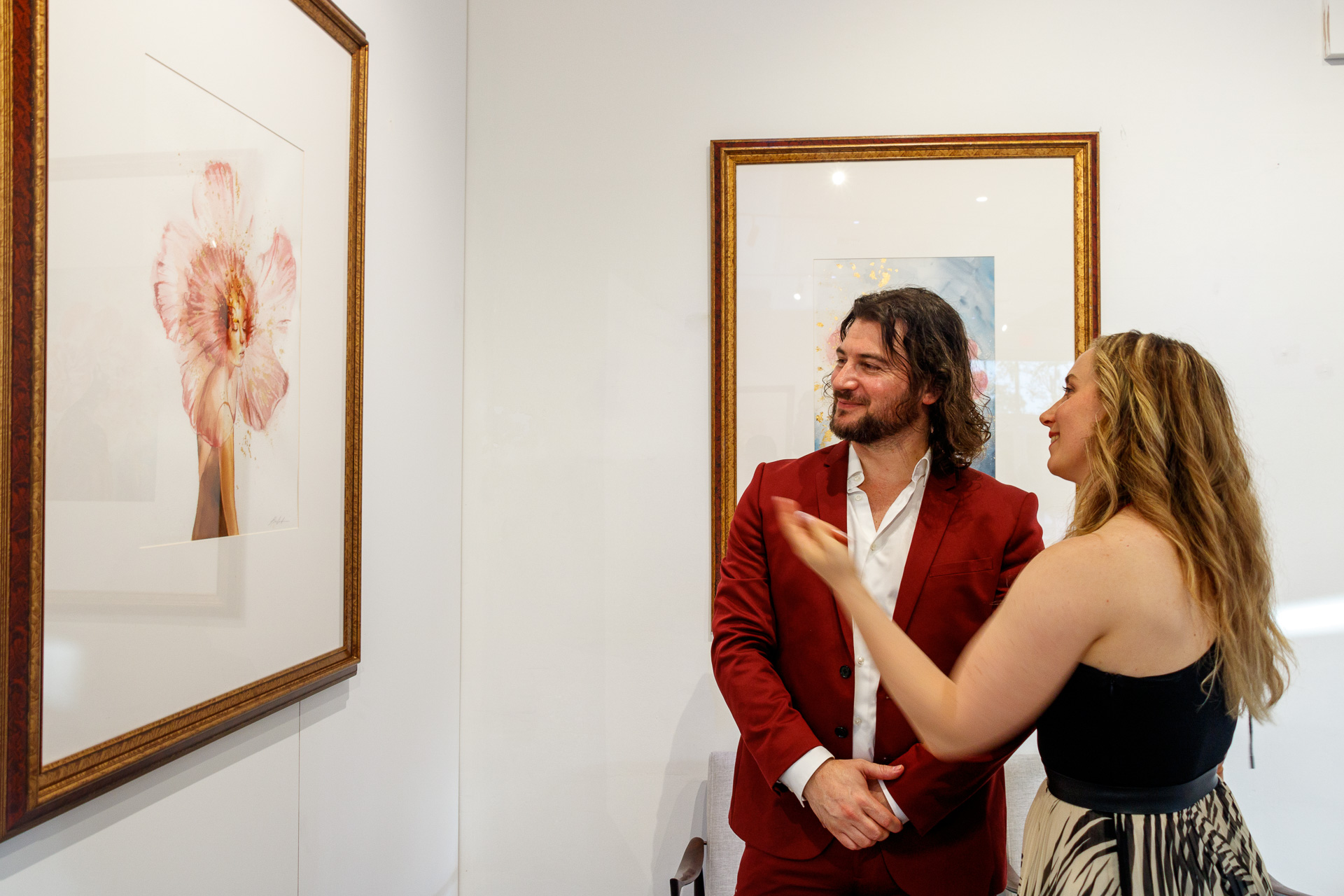
The Importance of Arts in our lives
Arts play an important role in our lives. They help us to express ourselves and connect with others. By experiencing and enjoying the arts, we can improve our quality of life.
But there is more: the neglect of Art is a terrible loss because it means allowing cancel “culture” to take place.
Join me as I explore the importance of Arts and how they benefit us all.
“I am not a teacher, but an awakener.”
― Robert Frost
Today I want to introduce this great man of culture: Robert Lee Frost. You might know him or you might not. Let’s get a brief bio.
Robert Lee Frost (March 26, 1874 – January 29, 1963) was an American poet. He is the only poet to receive four Pulitzer Prizes for Poetry.
He became one of America’s rare “public literary figures, almost an artistic institution”.
He was awarded the Congressional Gold Medal in 1960 for his poetic works. On July 22, 1961
Frost died in 1963 and the President of the United States at that time (John F. Kennedy) was asked to speak at an event to celebrate him and his accomplishments.
His speech became memorable and gave us an extremely powerful idea of the role of art in our lives.
From Wikipedia
How can culture be used to improve society?
In John F. Kennedy’s speech, he describes the role and the importance of art. He is talking about poetry, but we can all substitute that word with “Art”.
Art has the very nature and purpose of questioning, of challenging society.
“We must never forget that art is not a form of propaganda: it is a form of truth.”
Here you can listen to the entire speech.
This transcript of the speech is short, but it is filled with substance that will make you feel good.
“Strength takes many forms, and the most obvious forms are not always the most significant. The men who create power make an indispensable contribution to the Nation’s greatness, but the men who question power make a contribution just as indispensable, especially when that questioning is disinterested, for they determine whether we use power or power uses us.
When power leads men towards arrogance, Art reminds him of his limitations. When power narrows the areas of man’s concern, Art reminds him of the richness and diversity of his existence. When power corrupts, Art cleanses.
For Art establishes the basic human truth which must serve as the touchstone of our judgment. “
This article written by Maria Popova inspired me to write this post.
Can Artist be of use of society in a cancel culture?
Creative thinkers and makers provide joy and interaction for people in their communities. They also give critique to our political, economic, and social systems. But is this real in a cancel culture? How do we preserve the work of an artist, even if is a critique, from being banned?
If a President of the United States can be canceled then what chance does an artist have of navigating the treacherous waters of modern society?
Check out this interesting link from BBC about this matter.
We must protect Art, artists, freedom of speech, and culture. It doesn’t matter if is written in on the constitution. It is up to us to keep these values alive.
My work as an Artist
The reason I created my collection based on Shakespeare’s story is that I strongly believe that Art helps us tell our stories, celebrate, remember the past, challenge the present, and imagine the future.
The insights of what I learned on my relationships, in my private life, are the core concepts of this new collection: Romeo and Juliet.
It is my journey to becoming an adult, instead of being a child and acting like a child.
It’s my adventure, and I want to share it with you.
I encourage you to look at each painting and read the description… To get an understanding of the meaning of each one.

If you want to have a meaningful life, read this!
You want to have a meaningful life. You want your life to be surrounded by important things. We all long for our lives to be filled with significant experiences and connections.
Picture a world where every detail of your living space is crafted to honor and appreciate its residents. Such a thoughtfully designed environment signals your belief in the value of your family, your passions, or even yourself.
By intentionally creating a space that nurtures and supports your aspirations, you can foster a deeper connection to your surroundings and reinforce your commitment to living a purposeful and fulfilling life.

The Art of Choice: Prioritizing What Matters in a Noisy World
Art is a strong tool that can change how we see the world. It’s more than just looks; it has meaning.
To live a meaningful life, we must choose what’s important and what’s not. This gets harder every day.
We’re always surrounded by noise like phones, notifications, and news. It’s tough to get away from it all.
Think about what inspires you and makes your life worth living.
Art should make you feel something, not just decorate your space.
It lets people express their emotions in creative ways that might be hard or impossible with regular objects like furniture.
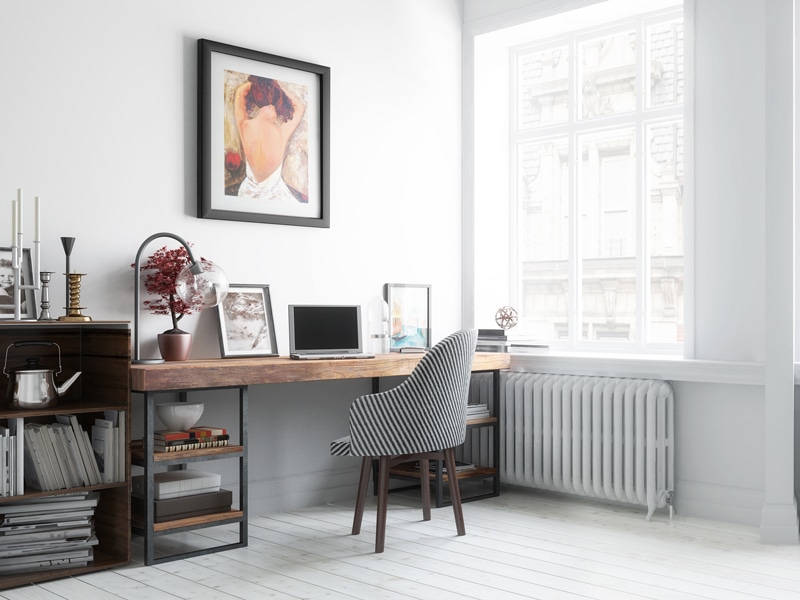
Rediscovering the Past: Preserving Heritage through Art and Inspiration
How about this one? Art holds deep cultural significance across many cultures around the world because it can act both aesthetically pleasing but also convey powerful messages through its imagery.
What inspires me as an artist is rediscovering meaningful things from the past. My ultimate goal is to help preserve, in the sense of safeguarding its heritage.
That’s why I choose a play as inspiration for my new collection: Romeo and Juliet.
Art and Literature are bound together in several ways. Great works of art have inspired great works of literature, great works of literature have inspired art, and together art and literature have simultaneously represented similar movements.
what does living a meaningful life mean to you?
My new collection of Romeo and Juliet watercolors will help you find the beauty in your life.
Each painting is inspired by a different moment from the play, and they are all full of emotions, drama, and life.
Last month I went back to my country Verona Italy, after two years in the US and I spent the holidays with my family.
I also filmed a small documentary on Verona and Romeo and Juliet. it will be ready soon.
Stop running around, take time to breathe. Look around… beauty is everywhere.
what does living a meaningful life mean to you?
The real story of Romeo and Juliet, a sharp bipolar division
“There is no world without Verona walls,
But purgatory, torture, hell itself.
Hence-banished is banish’d from the world,
And world’s exile is death…”William Shakespeare, Romeo e Juliet – Act III, Scene III
When talking about Romeo and Juliet, there is a related tale that is very mysterious and fascinating.
It involves power, scandal, and homicide.
Intrigued? You should be…
This can also explain the current situation we are living in. The world seems to come to a bipolar division.
Who is pro “vax”, who is not? Who is left, who is right, who is red who is blue, who is on the North, and who is on the South?
Who believes and who doesn’t. This pattern is very recognizable and sometimes extreme!
Trust me when I say that this is not just now. This is not just in America.
Let’s turn back the clock 700 years, and do a time travel together where you come with me to Italy!

A mysterious Murder
It’s 1200 a.c. Middle Age. No internet (of course! lol). The quest for power never stopped through the history of man.
100 years before the contest of Romeo and Juliet something that should not happen, happened.
A man named Buondelmonte (( https://en.wikipedia.org/wiki/Buondelmonte_de%27_Buondelmonti )) lays on the ground, in the city of Florence. Dead.
The atmosphere is explosive, people are angry, and they demand a violent consequence.
Who killed Buondelmonte? Why is he dead?
And why does this matter with today’s times and Romeo and Juliet?
It’s about a wedding that never occurred.
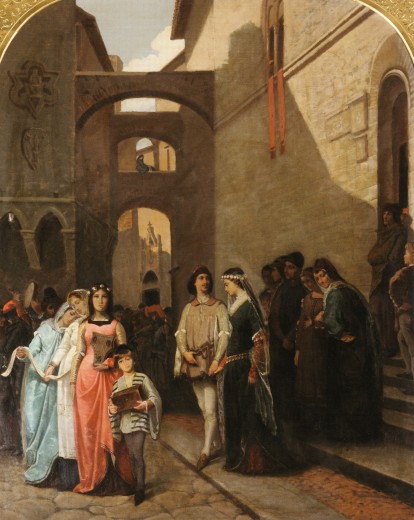
Buondelmonte who was a young rich Italian man refused to marry a woman who was arranged to be his wife from the two families. She was belonging to another political party, an opponent family.
The day before the homicide he married another woman. And it was recognized as outrageous and an insult to the family of the woman that was rejected.
The siblings of the rejected bride prepared the strike. The ambush worked perfectly.
He died on the street like an animal.
This incident was the spark of more than hundreds of years of riots in Italy.
The Guelph vs Ghibelline(( Check out this link for more info: https://www.britannica.com/event/Guelf-and-Ghibelline )) were the two main political powers. The Ghibellines were the imperial party (Roman Empire), while the Guelphs supported the Pope.
At that time the Pope was not only the holder of the spiritual gate to paradise but also the owner of great political power on the ground.

Romeo and Juliet’s story starts with the family fighting. But that is what is referenced: the war between The Guelph vs Ghibelline. At that time Verona was supporting the Ghibelline party.

The reference of that fight is the set of the romance between the two lovers. And even if it happened almost 700 years ago it is still relevant nowadays. We are so sick and tired of these fights.
History will repeat itself over and over again until we learn from it.
As an artist, I not only paint to inspire people but just as the art of the Masters like DaVinci, Raphael, and Michelangelo (the greats who inspire me today) I want my art to tell a story and hold it in history, passion, and impinge on the viewer in a way that forces them to think and hopefully shifts the narrative. It is through art that society can in fact heal.
My new collection
Romeo and Juliet is my new collection originally presented at Art Basel Miami in December 2021.
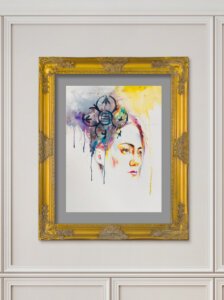
So yes, I created these paintings because it’s a relevant story that helps us rediscover treasures from the past and get new inspiration and hopefully culture. I created this collection at this time in history with a desire to continue to open the eyes of the World.
It’s a limited series;
High-quality prints are available;
Many people are taking advantage of this offer and to you I am grateful.
Help me spread the message by hanging this art in your home and sharing the story.
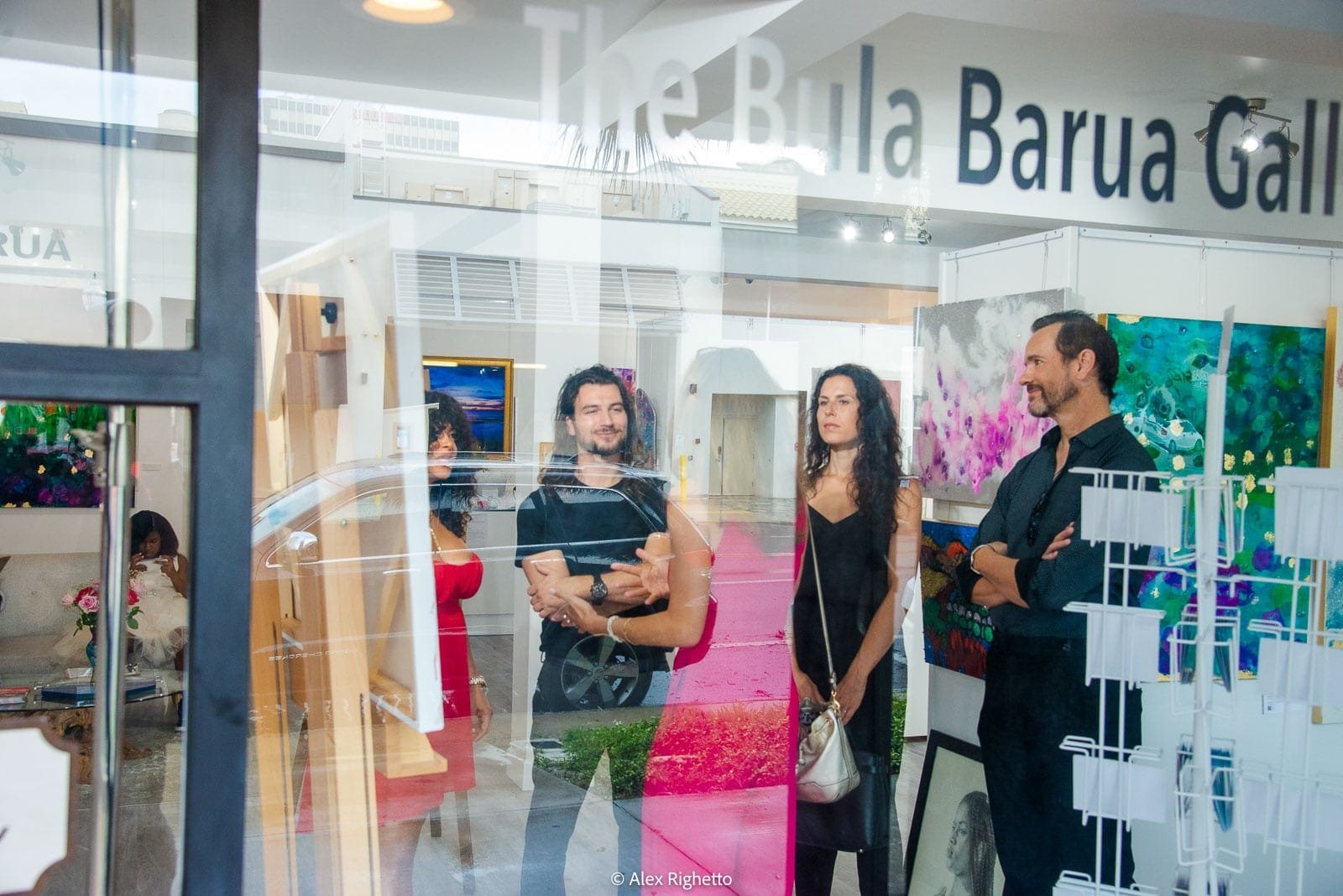
Solo exhibition in St. Pete Florida 2021
Before talking about this event I want to get personal. They say that every cloud has a silver lining. And that is very true for me.
2020 wasn’t probably the best year to remember. But I must admit it pushed me out of my comfort zone, in a way that I never believed would be possible.
I have a very eclectic background. Designer, marketer, and so on, but at the root, I am an artist. I studied fine art academy in Italy. Aside from my art career, I was pursuing a career as a Marketer, working full-time to promote my customer’s work. This pandemic made me think about how much things can be fragile and easy to come to an end. I had to talk to myself: If not now, when? When should be the right time to live off my art? To really put me in the game? That moment of crisis drove me to a personal revival as an artist; to a personal regrow.
What seemed like an impossible dream and goal to reach was finally a reality a few weeks ago. I decided that “tomorrow” should change to “today”. My “maybes” should be changing into an “it’s happening”.
I started painting at night, on weekends, and all the time I had available in order to make it happen. Honestly, it felt so good. Being able to see that not only was again satisfied with what I was doing but also see other people being so interested and supportive of my creations gave me the bust of confidence that I needed.
I believe that art can change the world for the better, that is my motto. Without living up to my fullest potential as an artist it would be a great disgrace to myself if I didn’t give it a try. My partner Stacy played a significant role in helping me make this decision to use my art to express my inner voice. And so she became my biggest influence and produced this magnificent Red Carpet event in my honor.

On Saturday, July 10, 2021, I had my first exhibition in America. This was a red carpet event to remember. I had over 150 people show up to see my art and experience my stories through my paintings.
I am honored to share that my art was extremely well-received with glowing reviews and the sale of my original watercolor portrait, Old Man Domenico. I shared the story of my inspiration behind this piece, which came from my grandfather who escaped the Army during World War II. My grandpa was so strong and as I painted his face and captured its weathered texture I recalled the fact that he had not only escaped but literally walked back to Italy from Russia!
I decided to create a collection of watercolors and especially portraits because through those techniques I could express and study the emotion of people. Conveying those emotions through art has always been my passion and to evoke strong emotions in the viewer.
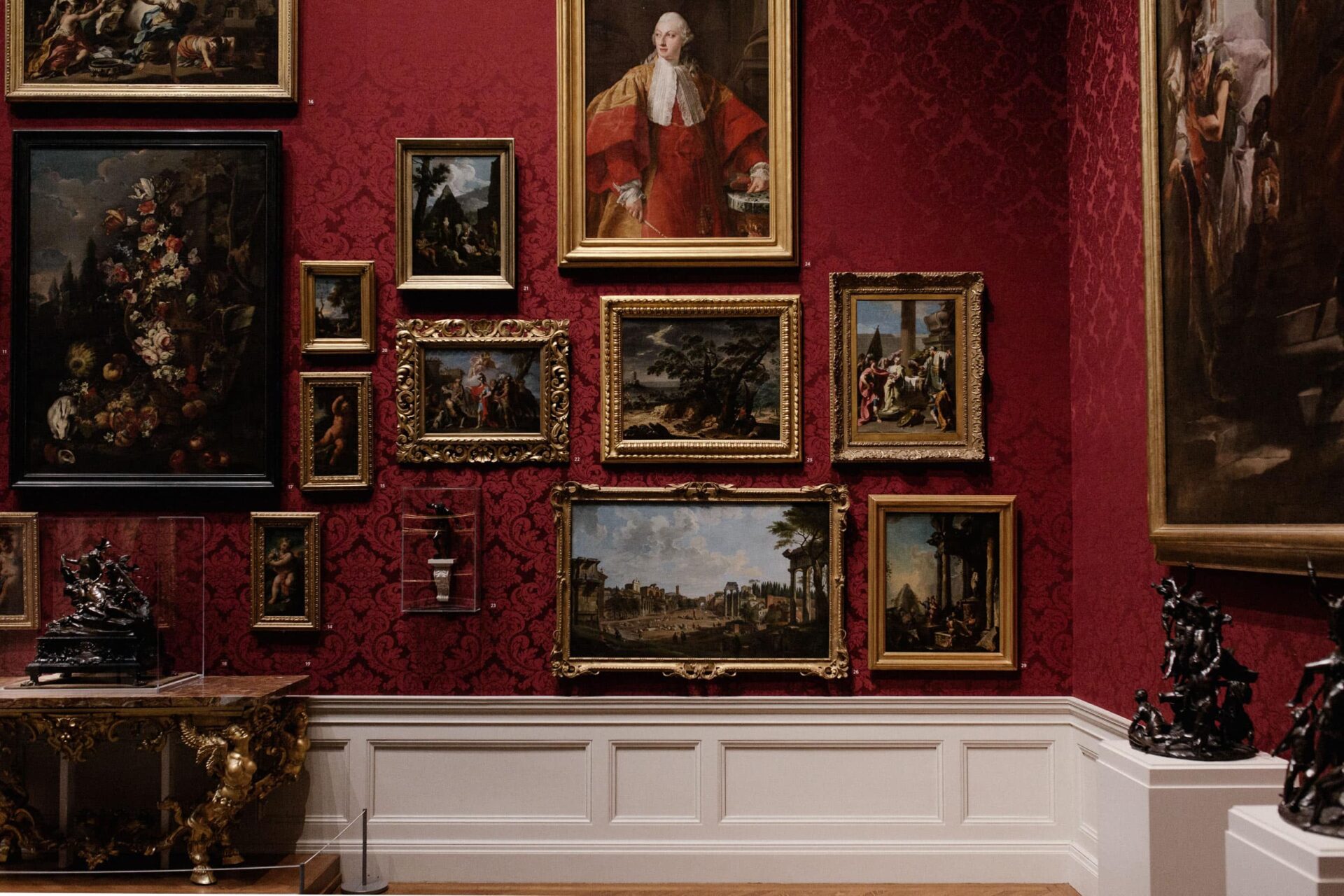
Is my artwork going to fade? How to protect artwork from damage (Canvas painting and paper)
When you purchase a painting, no matter the medium, you are responsible for the care of it. You should have a basic knowledge of how to protect the canvas painting you just bought (especially if is an expensive piece).
No matter the medium and the support you should be aware that these elements are bad for the paintings: Direct sunlight, high temperatures, humidity (Yeah Florida I love you). Avoid these as a general guideline.
Fading colors is a real problem. You do not want to purchase a piece of art and 15 years later barely be able to see the subject. Art is meant to have enduring value, and therefore be permanent.

This matter is called preservation and conservation. As an artist myself I want you to be aware of some information you should have before and after the purchase. Preservation and conservation procedures begin even before you make the purchase.
Before purchasing art

The artist himself should follow accepted standards that ensure maximum longevity to the artwork. Things, like not touching the paper or the canvas with bare hands, or protect the artwork with varnish and UV protection, are very important.
Make sure also that the painting is framed with a special UV acrylic plexiglass. This important element will protect your investment from damaging UV rays. Plus Plexiglas is lighter and more robust than glass.
Inquire with the artist about these procedures during the presales process.
Shipping issues
Shipping is a very delicate matter. To solve this issue, we decided to use Route App in order to give our customers a better post-purchase experience. With this app, you can track in real-time where your artwork is and solve any issues.
Plus it offers insurance coverage to financially recover from any lost items. In an extremely rare scenario.
Make sure t o agree with the artist to wrap the artwork with a protective rag (Un-Buffered Archival Tissue Papers) or conservation matboard. This will help protect the artwork during shipping procedures.
After the purchase

How to protect a canvas painting once you purchase it? Once the artwork is in your hands it is your responsibility to continue the preservation process. If the canvas is rolled, do not leave it for too long wrapped. Don’t leave your art in a tube!
Pay attention to humidity. The amount of water in the air can have a huge impact on the overall health of your art.
 Watch your hands. Always avoid directly touching your paintings or acrylic framing surfaces without wearing cotton gloves. If you do, you risk damaging them by exposure to your fingerprints and natural oils. To handle the canvas if is not framed and protected please use cotton gloves.
Keep your glass or acrylics clean. When cleaning the glass or acrylic panel protecting your artwork, always use a soft non-abrasive cloth or microfiber towel.
Dust —don’t clean—your paintings. If you have a unique painting that’s not behind glass or acrylic, don’t use any cleaners or solvents on the surface to clean the painting…EVER. Instead, just lightly dust off the artwork with a soft feather duster or sable brush.
How to archive paintings
 If your goal is to store your painting you should invest in a solander box, that will help you keep your work preserved through time.
( Credits: Park West Gallery )
Conclusion
I am passionate about art. I love to share art with the World and I feel it's a vital part of life to decorate your home with beautiful art. It is our desire as a company to make sure that we not only deliver beautiful art to you but also help you preserve these pieces for you and generations to come. I am very happy to answer any questions you may have to help you become an expert art collector.
Photo credits: Andrew Neel, Max Vakhtbovych, Rodrigo Mendez, Ksenia Chernaya
