

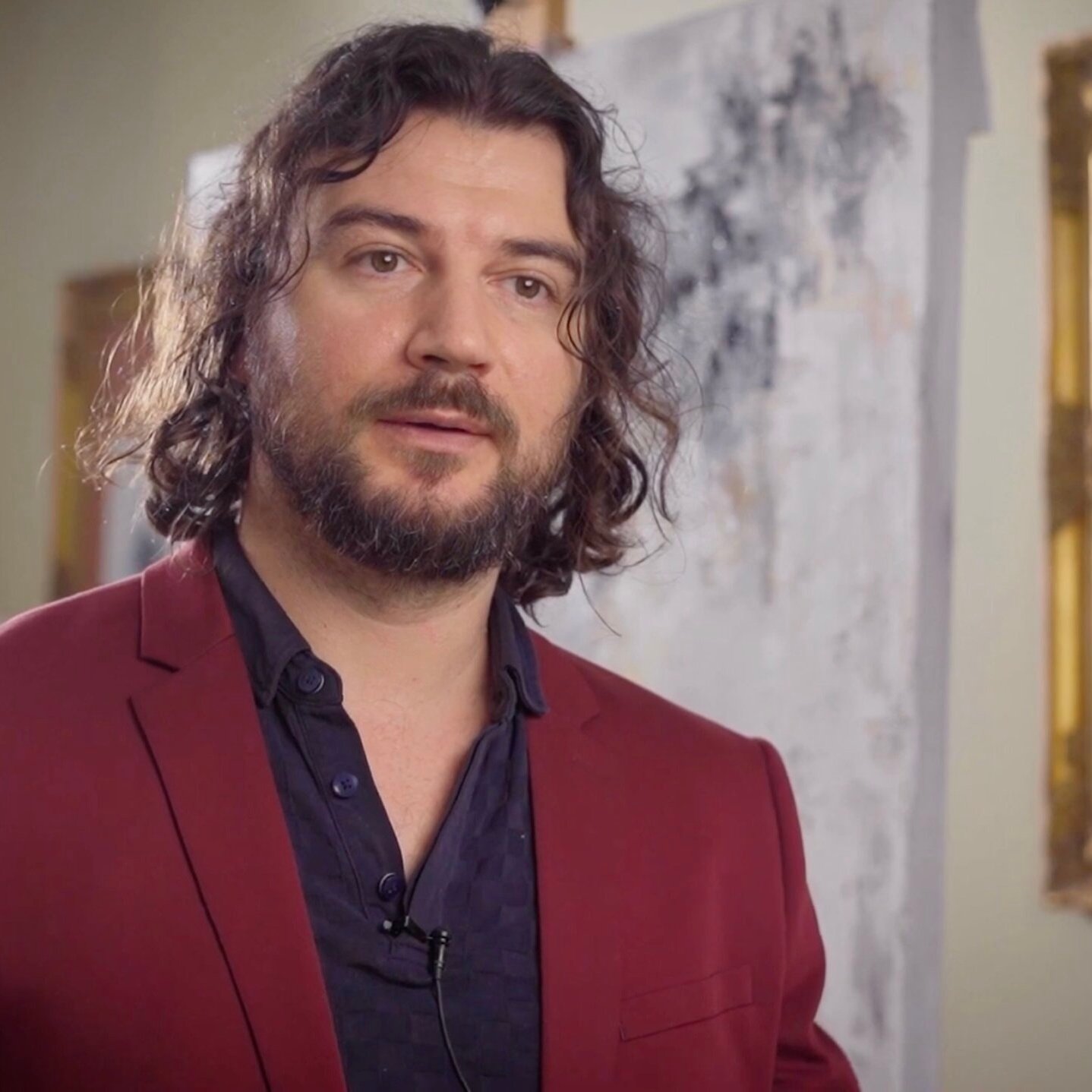

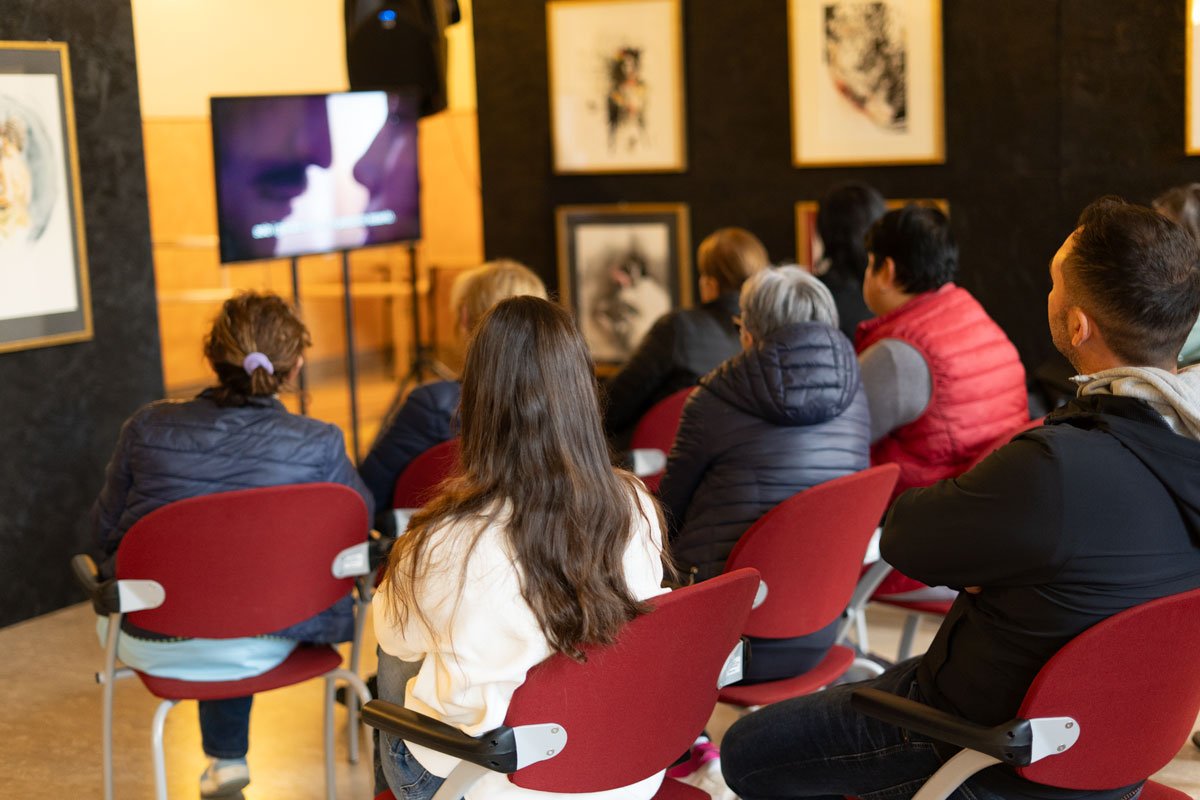
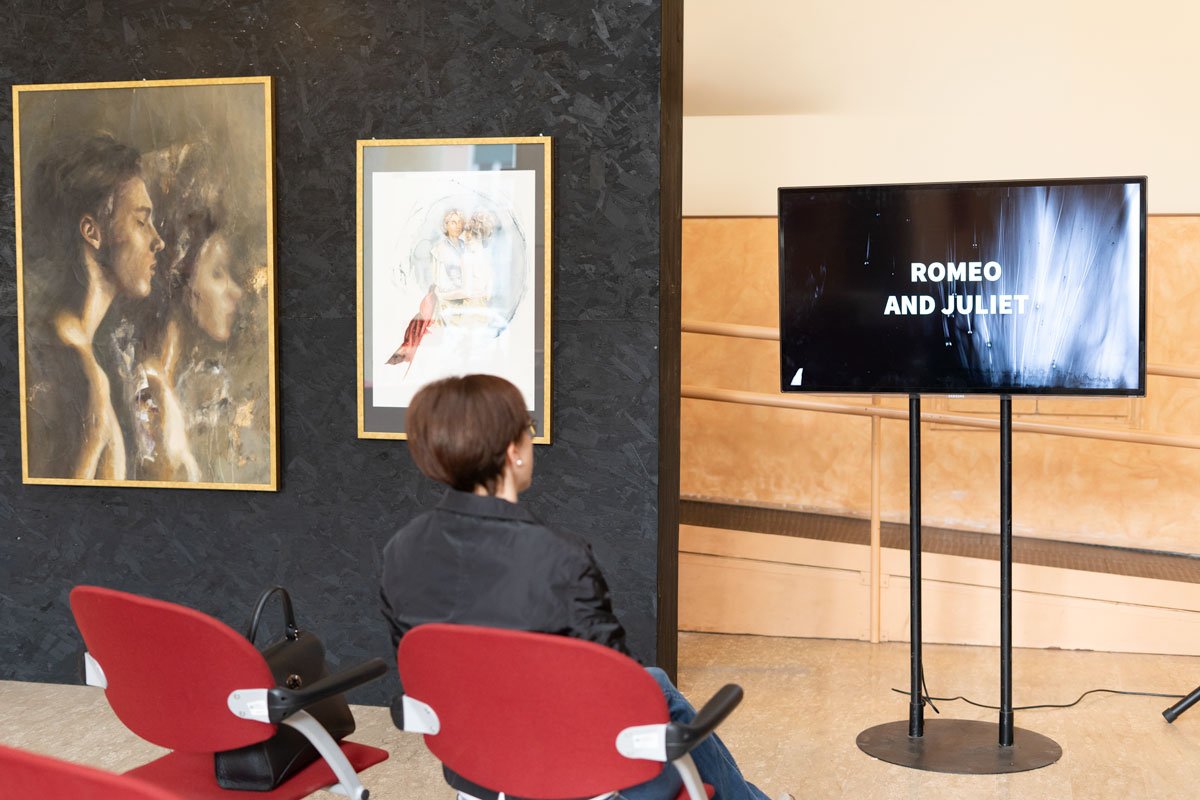
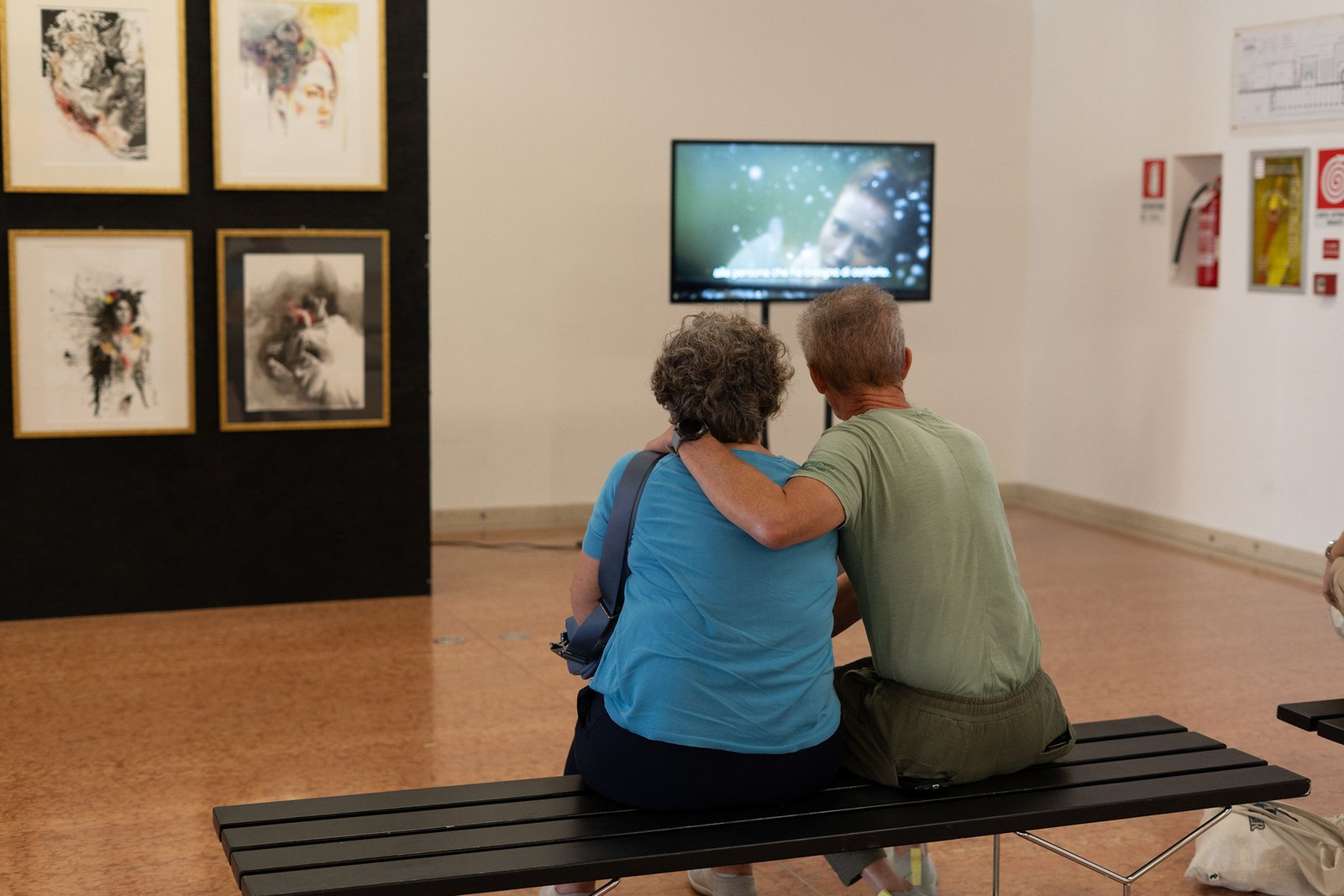
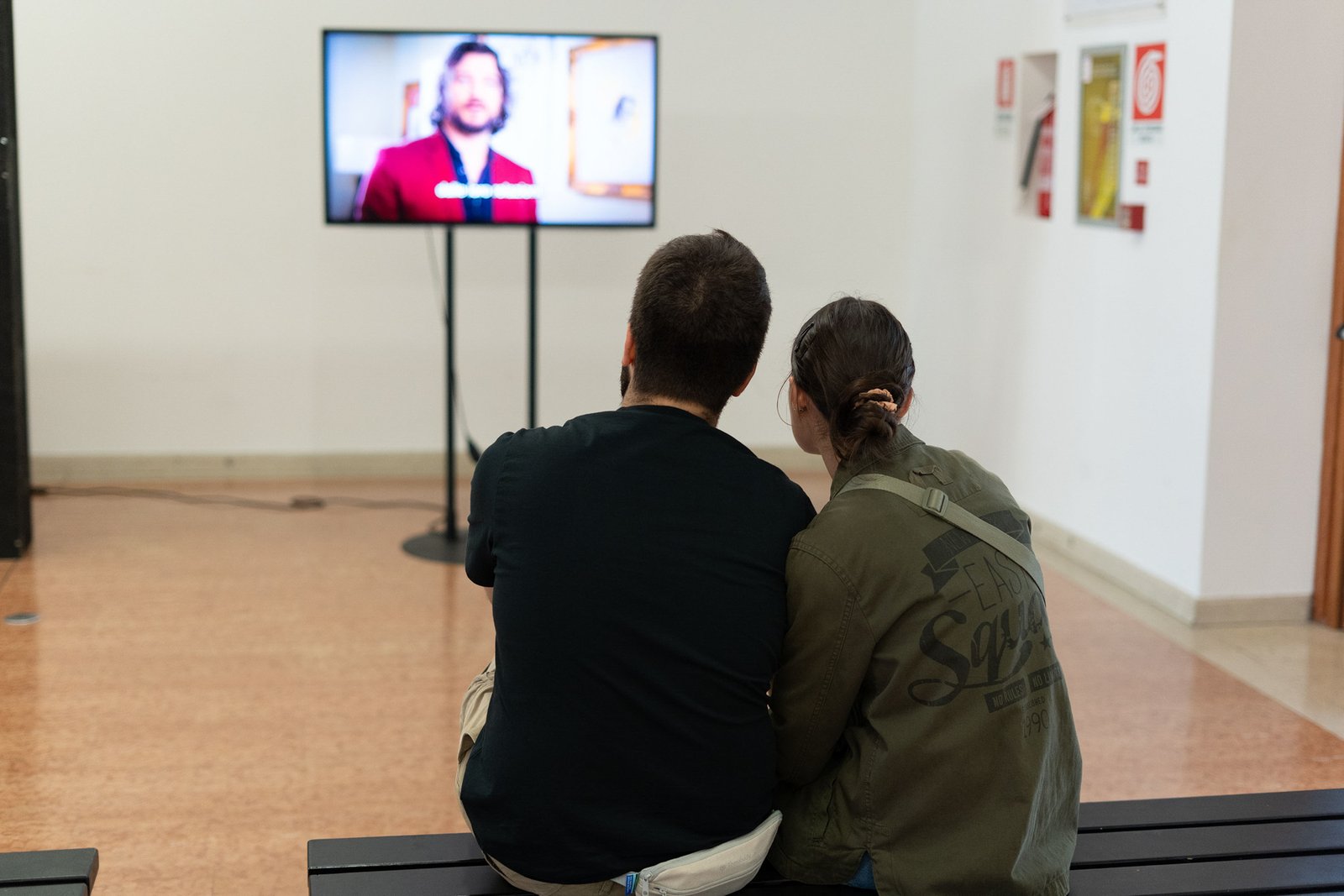
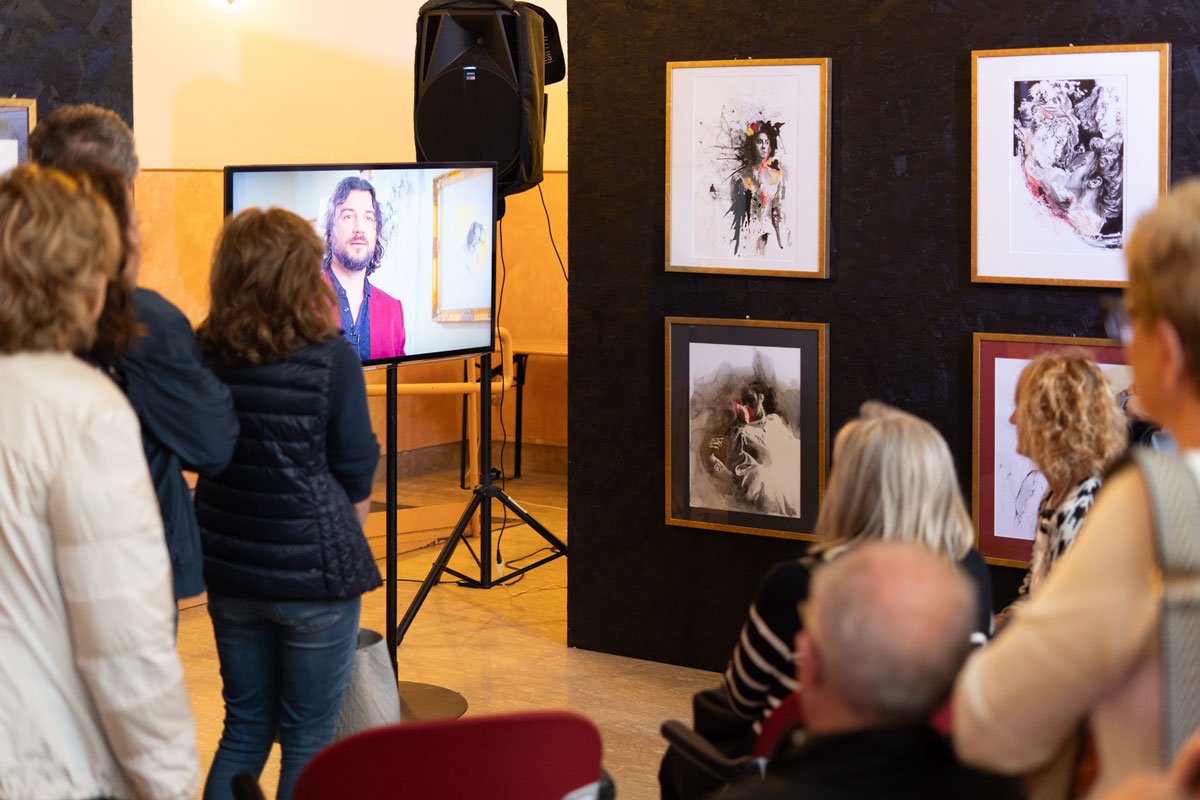
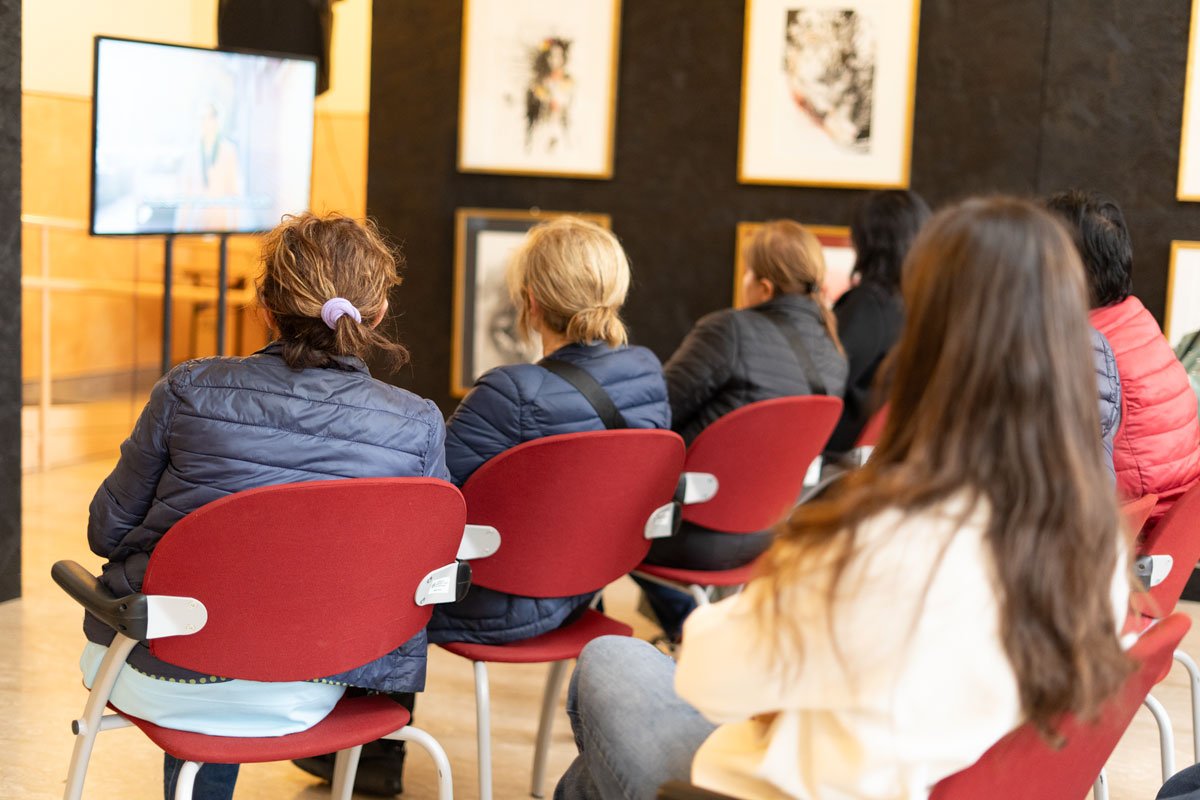
As part of the exhibition “Romeo & Juliet: The Metamorphosis,” every guided tour begins with an introductory video designed to establish the emotional and conceptual framework of the experience.
The video focuses primarily on the themes of ego, selfishness, and empathy, exploring the inner transformation that Romeo and Juliet must undergo in order to survive. In this reinterpretation of Shakespeare’s tragedy, their journey becomes a reflection on human relationships and, more broadly, on our ability—or inability—to truly understand and connect with one another.
The introductory film sets the tone for the entire exhibition, inviting visitors to look beyond the traditional love story and consider the deeper psychological and social dynamics at its core. It introduces the idea that survival, connection, and love require a transformation: a movement away from the self and toward empathy, awareness, and genuine communication.
This is the full-length version of the introductory video presented at the beginning of the guided tours.
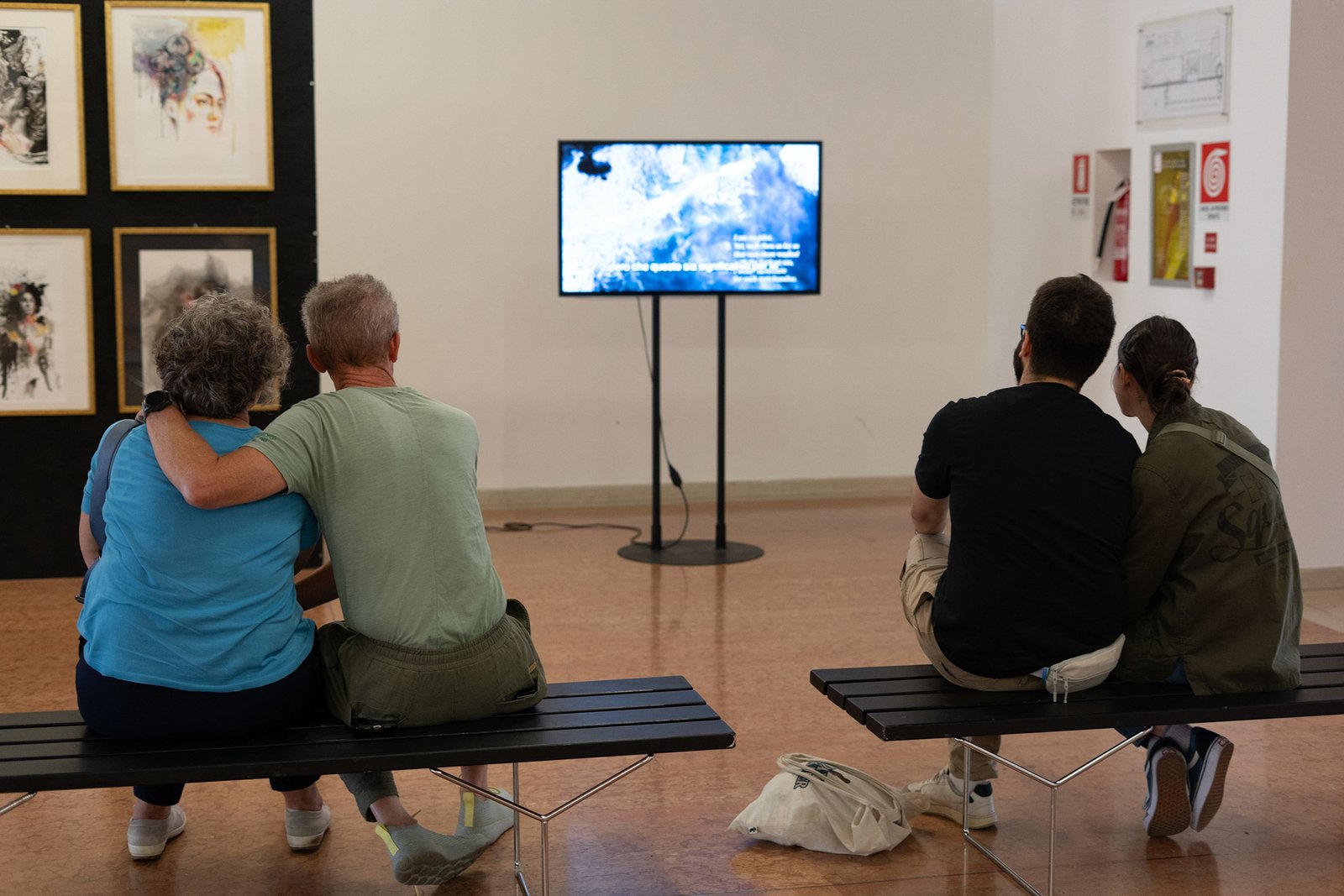
The video allows visitors to understand the key concepts and themes of the exhibition before encountering the paintings themselves. This is an important part of the experience because the artist does not want visitors to simply be left on their own to decipher the works, guessing at the meaning or trying to identify the ideas behind them without any context.
Instead, the introductory video provides a conceptual direction—a framework through which the audience can approach the paintings and understand the deeper narrative that connects them.
The parallel between Romeo and Juliet, The Metamorphosis, and Shakespeare’s original work revolves around themes of relationship, love, communication, and human connection, but also around the tragic reality that the protagonists of Shakespeare’s story ultimately failed to survive.
Righetto’s work takes this tragedy and introduces a different perspective: what if Romeo and Juliet had not died? What if they had been given the possibility to transform?
The video therefore introduces certain elements and ideas that will later emerge throughout Righetto’s paintings. By doing so, it changes the way the audience approaches and interprets the artworks. The paintings are no longer simply a contemporary representation of Shakespeare’s tragedy; they become part of a hypothetical continuation—a visual exploration of what might have happened if Romeo and Juliet had survived and had been forced to confront the real transformation necessary to preserve their relationship.
In this sense, “The Metamorphosis” is not only about the tragedy of two people who died for love, but about the possibility of survival through transformation, empathy, and a different understanding of one another.
This article was last updated on August 26, 2026 by Alex Righetto
This article available in: